
Image
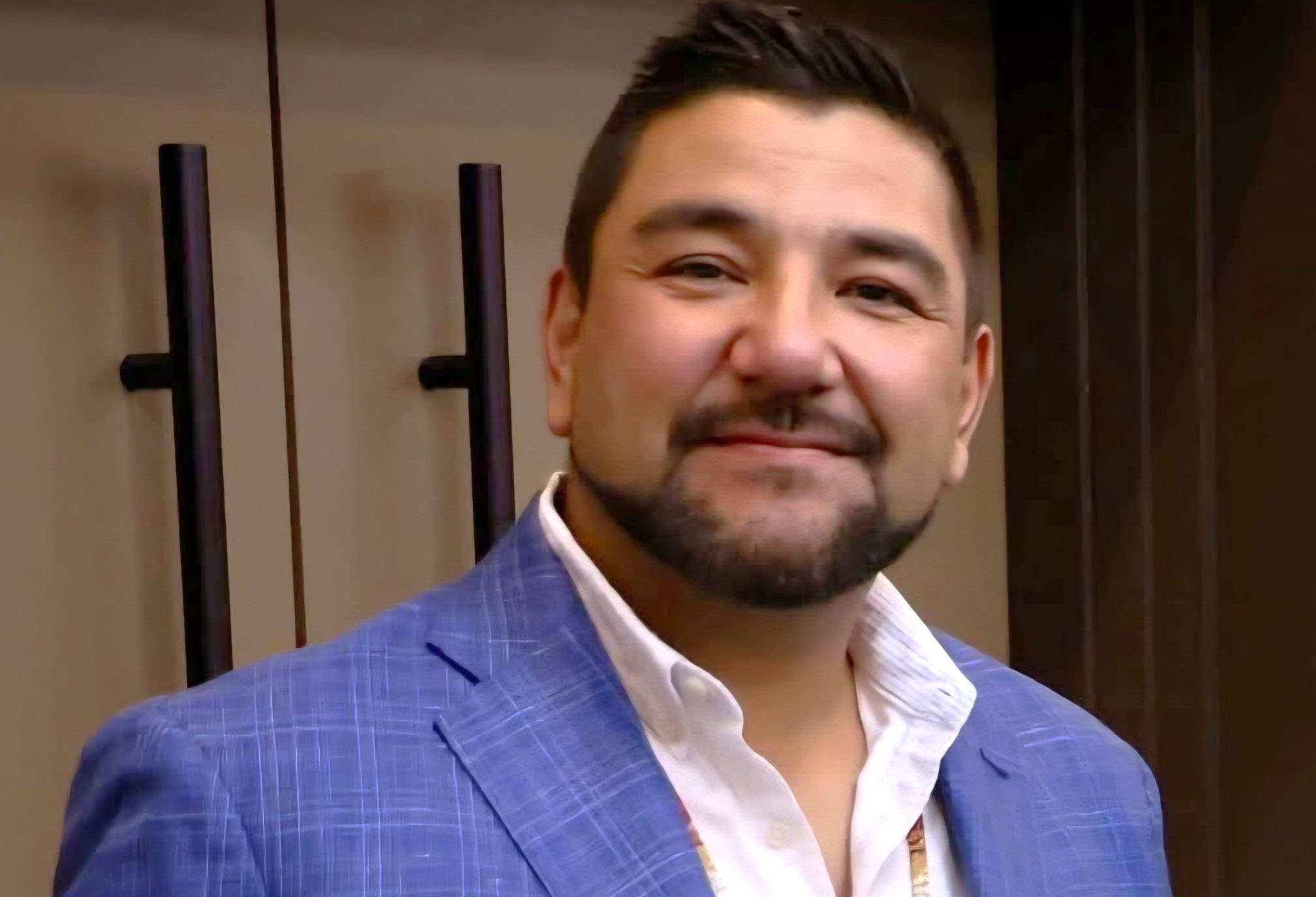
Image Caption
Local Journalism Initiative Reporter
Windspeaker.com
In a move without precedent, First Nations chiefs from Treaties 6, 7, and 8 in Alberta unanimously declared non-confidence in the provincial government, marking a significant and highly visible fracture in the relationship.
The Assembly of Treaty Chiefs (AOTC) passed the motion Feb. 26 during a meeting in Treaty 6 territory on Enoch Cree Nation citing concerns over provincial legislation, consultation practices and the broader political direction of Alberta Premier Danielle Smith and her United Conservative Party (UCP) government.
For Treaty 8 Grand Chief Trevor Mercredi the decision reflects a growing consensus among First Nations leadership across the province.
“It’s historic, right? It’s never been done before, but it just shows the general feeling among our nations across Alberta when it comes to the UCP government,” Grand Chief Mercredi told Windspeaker.com. “We’re here to try to make things better for our people.”
While First Nations leaders have long voiced opposition to federal and provincial policies, legal experts say a formal, unified vote of non-confidence directed at a provincial government is unusual.
“It is not very common, at least not formally,” said Dr. Robert Hamilton, an associate professor of law at the University of Calgary. “Certainly Indigenous governments voice their displeasure with federal and provincial governments in many ways, but the formal vote of non-confidence is not common to my knowledge.”
The motion has no binding legal effect under Canadian law, but experts say its importance lies in what it signals about the threat the chiefs perceive is posed by the UCP government to the Crown/First Nations relationship.
“A vote of non-confidence serves to alert the Crown to their treaty partners’ views of what the treaty relationship requires,” Hamilton explained.
For First Nations leaders, the vote signals that those obligations are not being met, pointing to what they describe as a pattern of provincial actions and legislative developments that could adversely affect treaty rights and governance.
“There’s been legislation that has the potential to adversely impact our treaty rights,” said Grand Chief Mercredi. “If they want to move projects forward, they should be working hand in hand with the First Nations. We have discussions in one room, at one table, and then we see something (else) coming out of the media the next. It’s quite concerning when the nations — the rights holders, the resource holders — are not being consulted at these levels.”
Mercredi said a range of recent legislation — including Bill 7 (the Water Amendment Act), Bill 11 (the Health Statutes Amendment Act), and Bill 13 (the Regulated Professions Neutrality Act), along with the Sovereignty Act, Critical Infrastructure Defence Act, and All Seasons Resorts Act — reflects what he described as a broader shift in government that “has not been beneficial to our nations” and is impacting communities in negative ways.
The AOTC’s resolution also points to growing concern over separatist rhetoric and policy direction in Alberta, particularly in relation to referendum legislation.
“When we talk about separation, we have to remember that the lands that these separatists are talking about belong to the First Nations,” Mercredi said, adding that a broader public understanding of treaty history is essential to fully understand the implications of these political discussions.
“Obviously there’s a concern when our rights and lands are being impacted,” Mercredi continued. “On the discussion of separation, on who really owns these lands and how Canada and the province came to be, there has to be some education around that (to) try to understand the issue that they’re faced with.”
In response, Alberta’s Minister of Indigenous Relations, Rajan Sawhney, said the government remains committed to maintaining relationships with First Nations and upholding constitutional protections.
“Building and maintaining relationships with First Nations leadership and communities continues to be a priority for Alberta’s government,” Sawhney told Windspeaker.com in a statement.
She pointed to Section 35 of the Constitution Act, 1982, which recognizes and affirms Aboriginal and treaty rights, and said recent legislative changes do not override those protections.
“Our position has been clear and consistent: the Constitution is the highest law of the land,” the statement said.
On March 9, Alberta NDP Leader Naheed Nenshi introduced a motion of non-confidence in the UCP government, referencing the chiefs’ vote of non-confidence and concerns about separatism and their relationships with the province. The NDP motion was defeated after debate was shut down by the government.
Mercredi emphasized that the chiefs acted independently from the NDP, rejecting suggestions that their vote was influenced by any political party, while noting that support from others is welcome.
“We’re working independently. The motion was passed before anybody knew. I’m just trying to put a stop to that narrative that the NDP somehow pushed the chiefs to do this. That’s false,” he said. “If (our position aligns) with another political party’s platform, then that’s great, but we’re working independently.”
Despite the historic nature of the vote, Hamilton said it is unlikely to produce immediate changes in provincial policy.
“The government has insisted its actions are consistent with treaty rights, so this is unlikely to change their approach,” he said.
However, Hamilton said its significance lies in its unanimity and the message it sends about the state of relations. For First Nations leaders, the issue extends beyond any single policy or new piece of legislation. Mercredi described a broader breakdown in communication that is preventing progress on critical issues facing communities.
“There are many issues here in Alberta that have to be dealt with — health, education, the environment, hunting,” he said. “There’s so many issues on the table, and right now we can’t deal with any of them.”
He suggested that ongoing political debates, particularly around separatism, are diverting attention away from pressing issues facing First Nations communities.
“Sometimes we feel like that’s part of the strategy, to keep everybody occupied with separation when there’s real issues to deal with,” said Mercredi.
“We’re looking for the Alberta government to re-establish relationships with the First Nations and their leadership,” Mercredi said, adding that broader public support and understanding will be key moving forward and that First Nations remain open to dialogue.
“If I could add anything, it would be to have the general public understand the treaties and how Alberta came to be, and to lend some support to the First Nations on this separation issue,” he said. “Obviously this impacts us all, and the more positive support that we get, the better it is. The chiefs will keep standing strong and protecting our rights.”