
Image
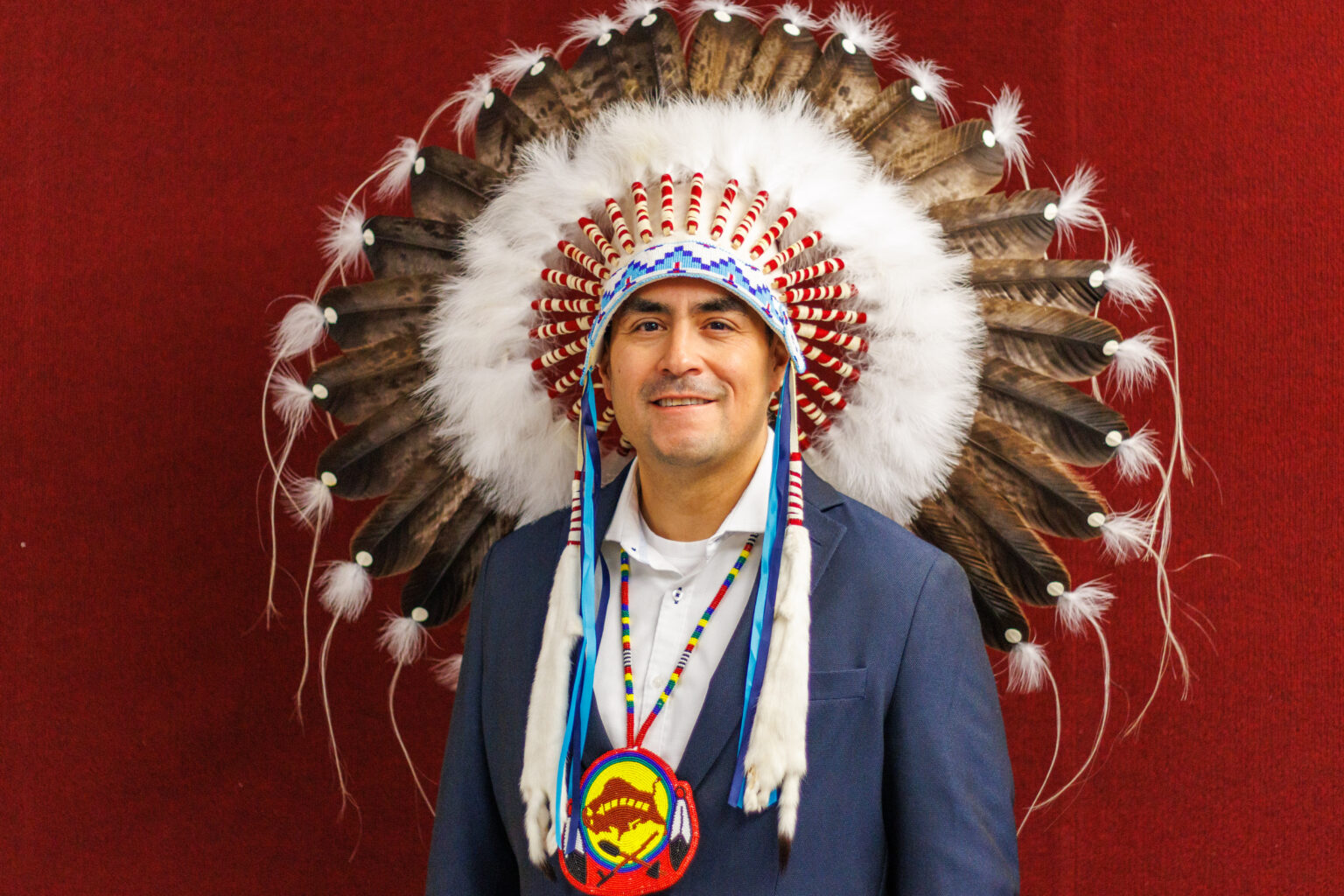
Image Caption
Albertans have voted overwhelmingly to remain a province of Canada.
Question 10 on referendum day Oct. 19 asked voters to choose between two options: Option 1 was that Alberta should remain a province in Canada. And Option 2 was that Alberta should commence the legal process to hold a binding provincial referendum on whether or not Alberta should separate from Canada.
As of the morning of Oct. 21, Elections Alberta has unofficial election results for Option 1 at 1,502,588 votes and Option 2 at 493,826 votes.
“I went to bed last night happy at the news that the verdict was an overwhelming decision to stay within Canada, which is good,” said Siksika First Nations Chief Samuel Crowfoot.
First Nations turned out in large numbers to vote on the question. Crowfoot said that Elections Alberta was not prepared for the numbers of First Nations wanting to cast their opinion.
Siksika Nation ran out of ballots leading to a two-and-a-half-hour delay in voting for many, said Crowfoot. Similar situations occurred at other polling stations on First Nation territory. Crowfoot sited problems at the Blood Tribe near Lethbridge as well.
He said leadership would be calling for a review of polling station staffing and resources allocated to reserves to see if they are equable with other communities. Other issues to be investigated are the late opening of polls and reports of voters not being able to cast their ballots.
In an interview with CTV news Oct. 20, Crowfoot commended Albertans for standing up for Canada and for treaty rights.
“That means a lot to us,” he said.
Assembly of First Nations thanked the chiefs and citizens of Treaties 6, 7 and 8 for working to educate Albertans about “our relationships with the Crown and First Nations rights and responsibilities to our traditional territories.”
After learning the early results on Question 10, Alberta NDP leader Naheed Nenshi said “One of the things that is most remarkable of what has happened in the last year and what happened in the referendum last night is the unbelievable contributions of the Indigenous peoples.
“If you had asked me 18 months ago, would Indigenous people, the very people who’ve been hurt more by the mistakes of Canada than anybody else, stand up as the proudest champions of Canada, I probably wouldn’t have taken that bet.”
He said First Nations chiefs and councils had declared non-confidence in the ruling United Conservative Party government led by Premier Danielle Smith. They took the government to court over the referendum and its infringement on treaty rights. And it was the largest turnout of First Nations people seen in an election. That, he said, reminded Albertans about the “true promise of Canada.”
Crowfoot said it was Siksika and other Nations that launched a legal challenge against the separation referendum for failure to consult. The challenge helped change the question that eventually made it to the referendum ballot, he said.
Crowfoot said he hopes after this vote that the separation issue “will be put to bed” once and for all, but he’s not naïve about the small movement that has driven its independence agenda to this point. He said he doesn’t think it ‘s over.
“It’s frustrating,” Crowfoot said, sharing that First Nations people suffer a lot of “secondary harm” when such things occur. He said members were yelled at and harassed over treaty rights discussions within the separation campaign.
He said such divisive movements have “a dark side” and governments have to recognize that.