
Image
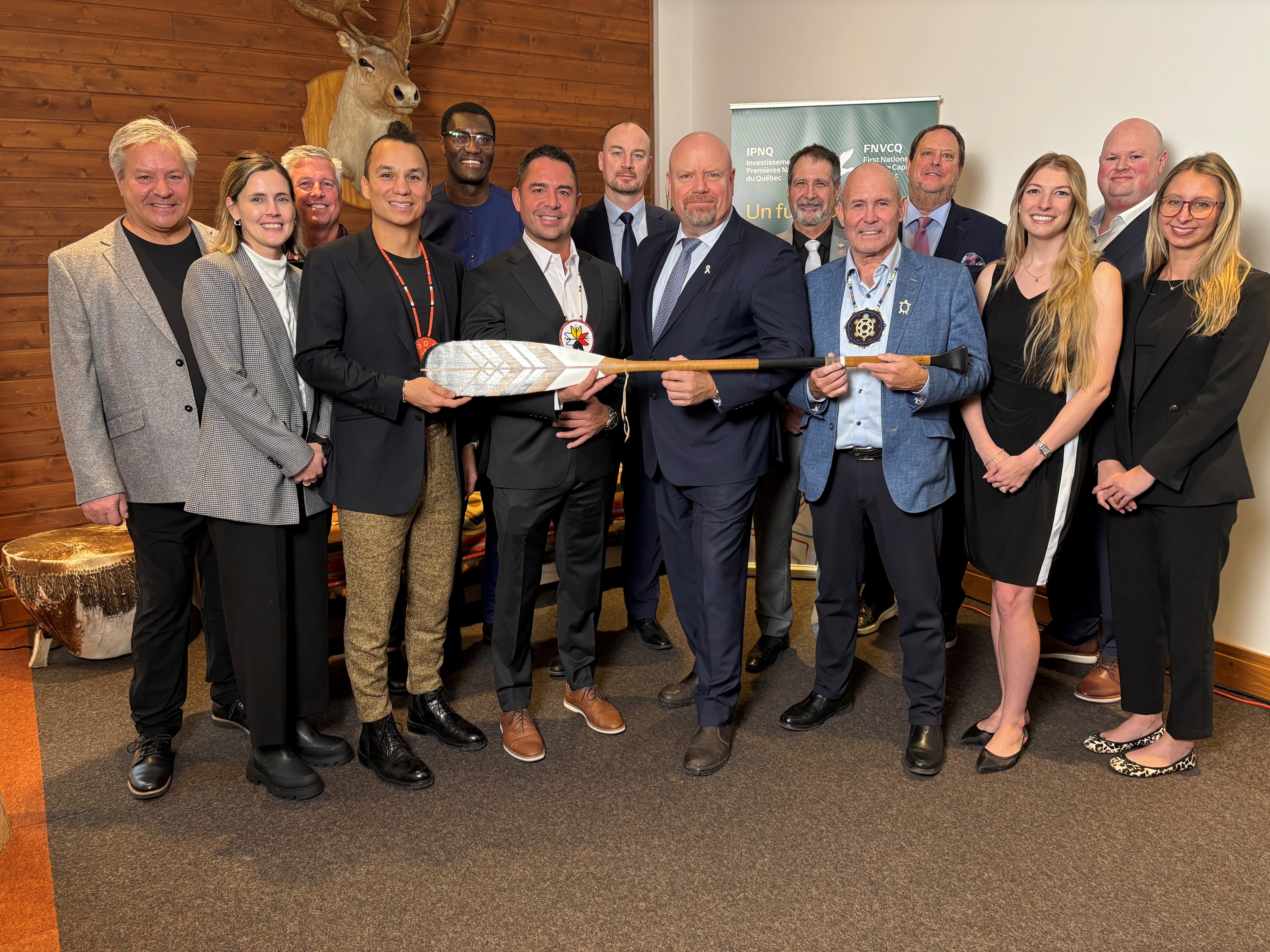
Image Caption
Local Journalism Initiative Reporter
Windspeaker.com
First Nations Venture Capital of Québec (FNVCQ) has announced the creation of a new investment fund by and for First Nations and Inuit peoples.
The organization described the $45 million fund as a “decisive step toward real economic self-determination.”
“For too long, our economic participation has been limited by structures that didn't reflect our realities,” said FNVCQ chief executive officer Haskan Sioui in the press release. “Today, we assert our right to choose, invest and develop autonomously according to our priorities. This is our way of reconciling prosperity and identity, as well as performance and responsibility."
Since the organization's founding in 2002, the FNVCQ has deployed more than $18 million to 40 companies throughout First Nations and Inuit in Quebec. Sioui said their products are adapted to Indigenous realities, operating more like an financial partner than a bank.
This new fund was announced on Nov. 27 at the Hôtel-Musée Premières Nations in the Huron-Wendat urban reserve of Wendake, located just outside of Quebec City. The FNVCQ invested in the hotel in 2008, which has become a successful project co-owned with the band council of Wendake, creating more than 150 jobs for Indigenous peoples.
Launching a market study in 2022 to explore the potential for a larger investment fund, the FNVCQ met with more than 30 band councils and entrepreneurs to determine their needs. These discussions identified four priority sectors to which the fund will be equally divided: tourism, construction, renewable energy and service providers for the development of natural resources.
“We were looking for sectors with high growth and also strong impacts on Indigenous people for job creation and positive life quality on the community level,” Sioui told Windspeaker. “We also have a strategic envelope for projects we couldn't refuse that make our First Nations shine.”
With burgeoning interest in tourism spurring investments in lodging, restaurants and cultural destinations, Sioui said that almost all communities they consulted had a tourism strategy. Employment in this industry ranges from management positions to guides, food preparation and room cleaning.
The construction industry has drawn the greatest number of Cree entrepreneurs in the Eeyou Istchee region of Eastern James Bay over the years, according to Stephane Petawabano, manager of Apatisiiwin Skills Development. While there is no shortage of work in addressing the housing crisis and the significant infrastructure gap, securing the necessary equipment requires large investments.
“We identified the construction sector as high growth and high impact,” said Sioui. “If you want to grow and don't have access to capital, it's very hard to get cash flow loans. You have to pay salaries every week, but sometimes you get paid only a couple of months after that.”
As Hydro-Quebec actively seeks Indigenous partners with the ambitious goal of integrating 80 per cent renewable energy in remote communities by 2030, a recent surge of wind, solar and biomass projects have been announced.
Sioui understood that cost is a substantial obstacle for establishing these projects that reduce diesel dependency and foster energy sovereignty. However, he was surprised by the interest from chiefs and councils about the mining industry.
“We thought it might be more polarized but surprisingly they all want to be involved in the development of projects,” Sioui said. “This is not a mandate to invest in mining companies themselves. But when our communities are involved, it can result in many projects for catering, transportation and other spin-off companies.”
Fundraising for the financial vehicle yielded nine investors, including the Quebec government and four Indigenous groups.
“Indigenous entrepreneurs are essential partners in growing our economy,” said Quebec's Indigenous Affairs Minister Ian Lafrenière at the initiative's launch.
Indigenous partners include the Native Benefits Plan, the Montagnais Economic Development Corporation, the Native Commercial Credit Corporation, and the Assembly of First Nations Quebec-Labrador (AFNQL) through a trust fund it administers.
“Financial autonomy is one of the essential levers leading to the self-determination of First Nations,” said AFNQL Chief Francis Verreault-Paul in the press release. Sioui said that having the AFNQL on board sends a strong message of unity.
New investment director Adam Jourdain, an Innu from Uashat mak Mani-Utenam, invited interested entrepreneurs to explore the renovated FNVCQ website and contact them about opportunities. While they don't say no to start-ups, Sioui emphasized that smaller companies are already served by several organizations providing grants and loans.
“For bigger companies to expand, those kinds of projects are having a harder time accessing grants,” said Sioui. “We think as a business entrepreneur and want to work with them to the success of the companies. We're able to rapidly identify their needs and do the financial model for them.”
Primarily intended for established operations eyeing bigger projects, Sioui said they would evaluate each project to determine their needs. Leveraging the region's economic ecosystem to provide robust support, the FNVCQ is prepared to invest millions in accepted projects.
“We've started some discussions with entrepreneurs that are very happy about this,” Sioui said. “This fund means we don't have to isolate anymore and not be scared to take big steps about big projects. We have the money, we have the entrepreneurs, so let's go forward and get those big projects going.”