
Image
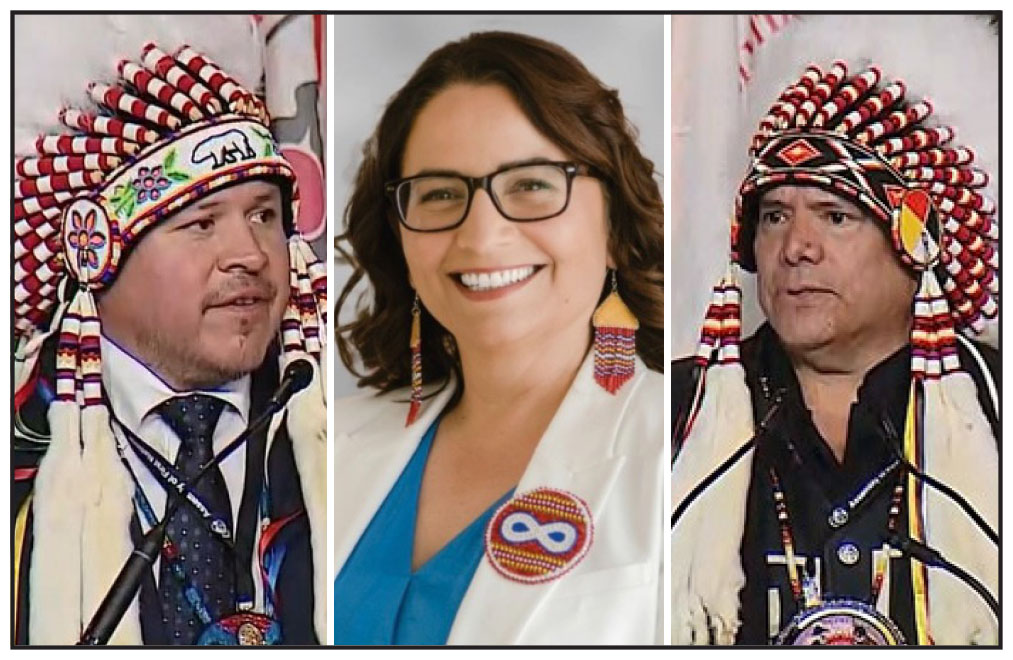
Image Caption
Reaction to Prime Minister Mark Carney’s announcement Sept. 10 of those appointed to the Indigenous Advisory Council for the new Major Projects Office (MPO) was mixed.
Some lauded the 11 people named to the council, representing First Nations, Inuit, Métis, modern treaties and self-governing communities. Some penned letters expressing concerns that their organizations did not make the cut.
To combat tariffs imposed by United States President Donald Trump, Canada has committed to reducing its reliance on the U.S. as a trading partner by diversifying the Canadian economy. With the passage of the Building Canada Act in June, Canada’s intent is to fast-track federal approval processes to get major projects of national interest built.
According to the Canadian Press and the CBC, the first tranche of projects includes the expansion of the Port at Montreal, the doubling of production of liquified natural gas out of Kitimat, B.C., the construction of the Darlington New Nuclear Project in Clarington, Ont., which will make small modular reactors, the construction of the McIlvenna Bay Foran Copper Mine Project in Saskatchewan, and an expansion of the Red Chris Mine’s copper operation in northwestern British Columbia. The list of projects is expected to grow.
The Major Projects Office is meant to serve as a single point of contact for the selected projects. Its mandate is to streamline and accelerate regulatory approvals, and structure and coordinate financing.
The Indigenous Advisory Council is to ensure participation of Indigenous peoples in the projects, guiding opportunities for equity ownership and responsible resource management.
In a press statement, the Southern Chiefs’ Organization (SCO) in Manitoba voiced its disappointment and “serious concern” for its exclusion from the list of appointees, “despite Manitoba being home to the largest Indigenous urban population in Canada.”
SCO has consistently stated that Bill C-5 (which includes the Building Canada Act ) must uphold the rights of First Nations and ensure that development corridors, trade routes, and infrastructure planning are Indigenous-led. The absence of Manitoba First Nations on this council undermines that commitment, reads the statement.
Disappointment was also felt in northern Manitoba.
The absence of Northern Manitoba representation is a glaring oversight, reads a statement from Manitoba Keewatinowi Okimakanak (MKO).
“Major projects like those envisioned under the Building Canada Act (Bill C-5) will have direct and lasting impacts on our communities, lands, and ways of life,” said MKO Grand Chief Garrison Settee. “It is unacceptable that Northern Manitoba First Nations, particularly Cree and Dene Nations, have been excluded from the Advisory Council.”
MKO urged Prime Minister Carney to immediately revisit the composition of the Indigenous Advisory Council.
The Otipemisiwak Métis Government called on Canada to ensure Alberta Métis representation on the council
“As the government of the Métis Nation within Alberta, representing the largest Indigenous population in Canada, the Otipemisiwak Métis Government must be included on the Indigenous Advisory Council to reflect the vital and historic role our Citizens have played, and continue to play, in building Canada,” said Andrea Sandmaier, president.
She said not having a seat at the table would undermine reconciliation and weaken the very nation-building these projects are meant to achieve.
“We have supported Canada’s economic agenda in good faith, including through our participation in the Canada-Métis Summit and discussions on the Building Canada Act,” said Sandmaier. “Now, we need to see that commitment reflected through the meaningful inclusion of Alberta Métis in decisions that directly affect our Citizens.”
The appointed members are:
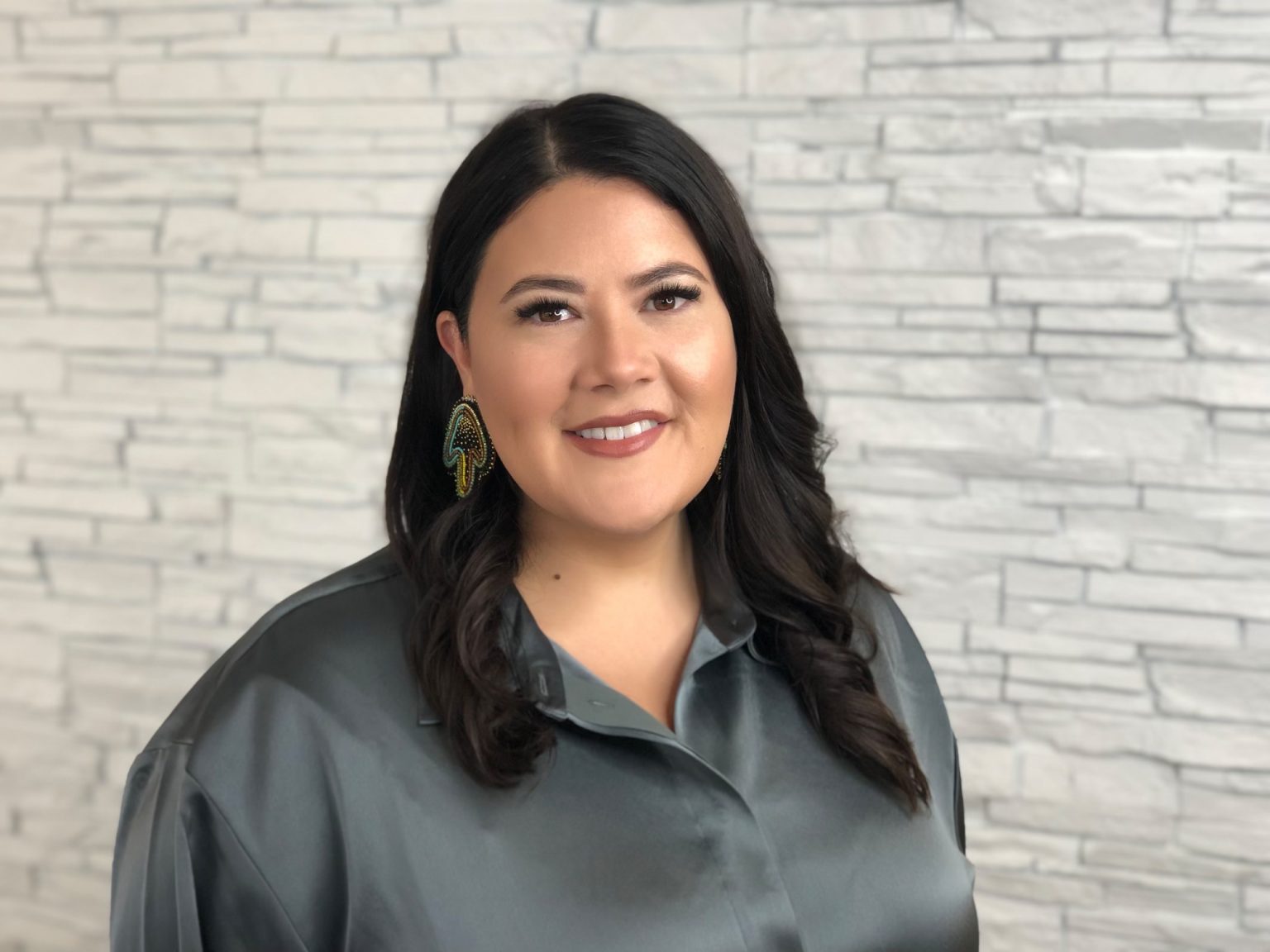
Kluane Adamek, Kluane First Nation, Yukon. She served as Yukon Regional Chief of the Assembly of First Nations from 2018 to 2025. She served as a trustee of the Kluane Däna Trust. Adamek holds a Bachelor of Arts from Carleton University and a Master of Business Administration from Simon Fraser University. She has been recognized for her leadership on climate action and the environment.
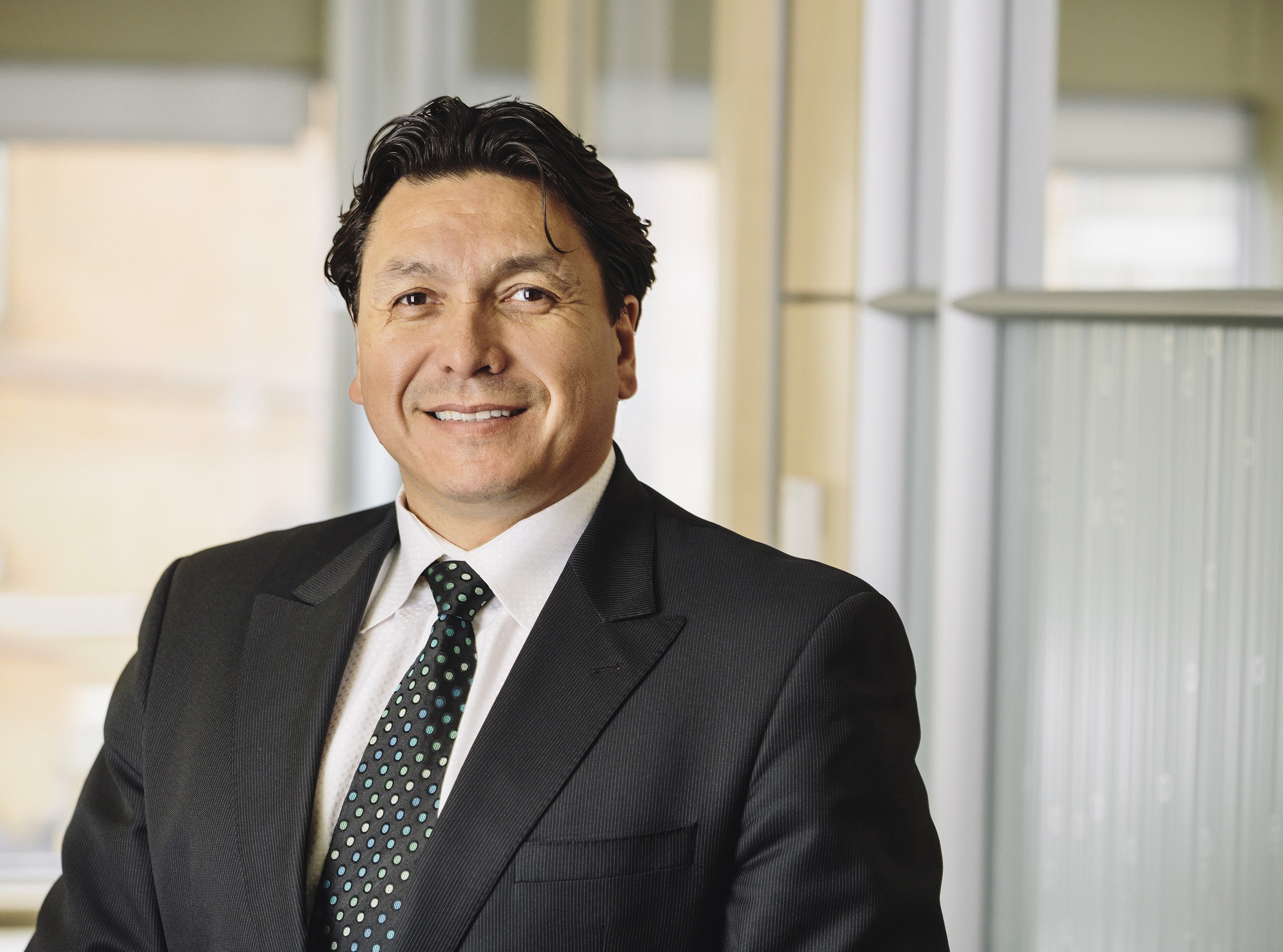
Chief Darcy Bear, Whitecap Dakota First Nation, Saskatchewan. Bear has been chief of Whitecap for more than 30 years. He served as chair of the Whitecap Development Corporation Board of Directors. His leadership has focused on economic growth for his community, financial accountability, self-government, and job creation through partnerships.
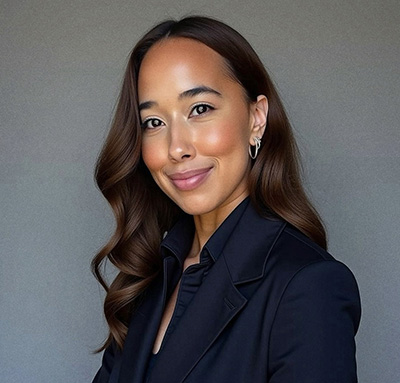
Vanessa Doig, Makivvik, Nunavik, Northern Québec. Doig is an Inuk. She is the assistant director of the President's Department for Makivvik, the Inuit treaty organization representing the Nunavik region of Northern Quebec. Doig holds multiple portfolios on infrastructure projects and programs. She managed the implementation of the Indigenous Communities and Infrastructure Fund (ICIF), which saw projects such as arenas, youth centers, and sports complexes built in the communities of Nunavik.
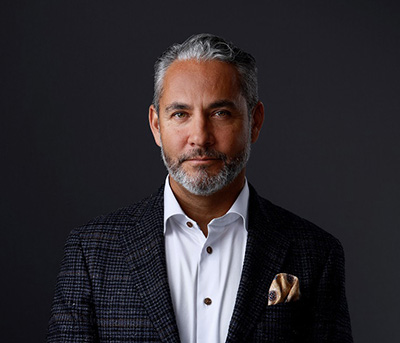
JP Gladu, Bingwi Neyaashi Anishinaabek, Ontario. Gladu previously served as the president and CEO of the Canadian Council for Indigenous Business. He is currently Principal of Mokwateh, a consulting firm on economic development and sustainable partnerships. Gladu has nearly 35 years of experience in the natural resource sector. He serves on the boards of Suncor, the Institute of Corporate Directors, Superior Plus, BHP’s Forum for Corporate Responsibility and Domtar’s Sustainability Committee.
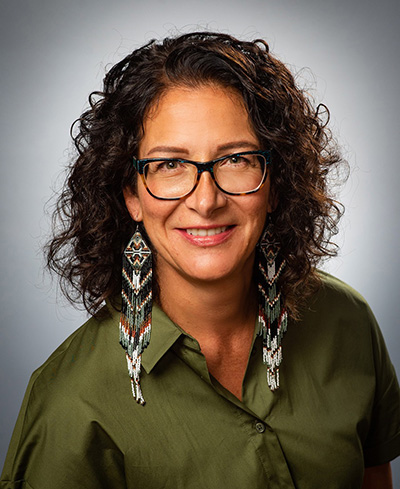
Victoria LaBillois, Listuguj Mi'gmaq First Nation, Québec. LaBillois is a Mi’gmaq entrepreneur from Listuguj. She earned the 2024 Indspire Award in the Business and Commerce category. Currently she serves as Vice-Chair of the National Indigenous Economic Development Board and is a board member for Hydro Quebec. She holds a BA in political science and an MBA from the University of New Brunswick
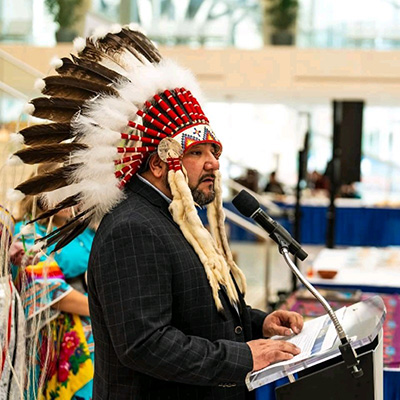
Grand Chief Trevor Mercredi, Beaver First Nation (Treaty 8), Alberta. Mercredi is the grand chief of the Treaty 8 First Nations of Alberta. He is Dane-zaa and Cree. He’s experienced in intergovernmental negotiations, and the advancement of economic development for Indigenous peoples. He’s former elected chief of Beaver First Nation where he secured funding reforms, improved services, and strengthened community capacity.
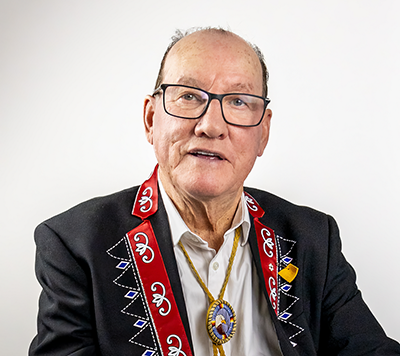
Chief Terry Paul, Membertou First Nation, Nova Scotia. Paul is chief and CEO of Membertou, a Mi’kmaw community in Cape Breton, N.S. During his 41-year tenure, Membertou’s land base has tripled, employment rates have risen above 80 per cent, graduation rates are 95 per cent, and the community has grown into a hub for business. He led the 2021 acquisition of Clearwater Seafoods for $1 billion.
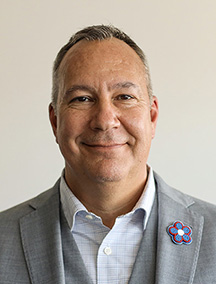
Lorne Pelletier, Manitoba Métis Federation, Manitoba. This Red River Métis was born and raised in Ile des Chênes, Man. He currently serves as Senior Economic Advisor at the Manitoba Métis Federation where he provides economic and investment advice. He serves as one of two Indigenous co-chairs with Canada’s Co-development Table on Transformative Indigenous Procurement Strategy.
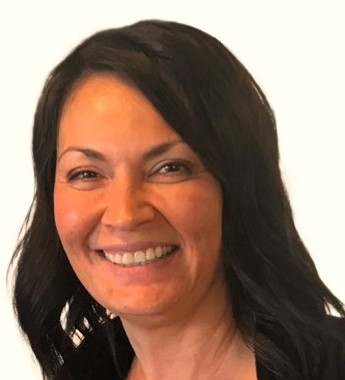
Christy Sinclair, Nunavut Tunngavik Inc., Nunavut. Sinclair has more than 30 years of service to Inuit in business, governance and community development. She has held senior roles including Vice President of Community Air Service at Canadian North and Director of Business Relations at Kitikmeot Corporation and NorTerra Inc. She currently serves as Infrastructure Analyst at Nunavut Tunngavik Inc. She has served on the boards of Atuqtuarvik Corporation, Nunavut Inuit Resources Revenue Trust, Nunavut Trust and Nunasi Corporation. Internationally, she contributed the International Inuit Business Association and supported the development of the Inuit Development Corporation Association and the Northern Aboriginal Business Association.
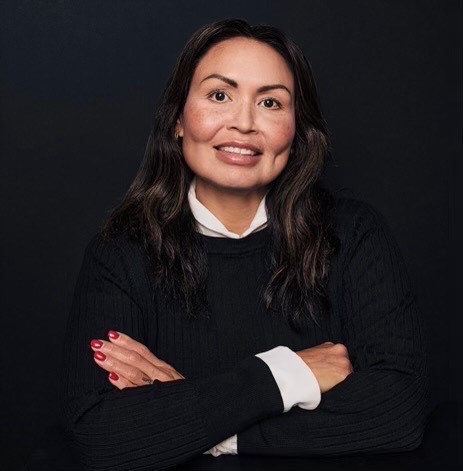
Crystal Smith, Haisla Nation, B.C. Smith served the Haisla Nation for 12 years, including eight as Chief Councillor. She is recognized nationally for advancing Indigenous economic self-determination through projects that balance prosperity with environmental stewardship. Under her leadership, the Haisla Nation played a central role in LNG Canada, launched HaiSea Marine, the world’s first fully electric tugboat fleet, and secured $6 billion for Cedar LNG Project.
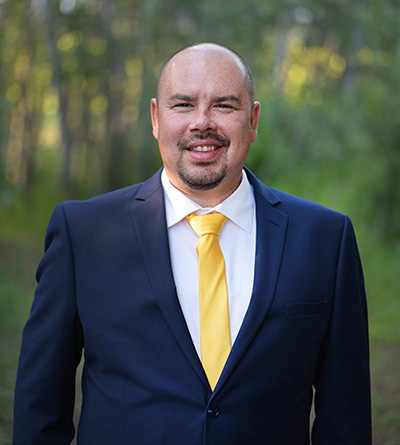
Matt Vermette, Métis Nation-Saskatchewan. Vermette is an economist, entrepreneur, and academic. He has supported business development, indigenous engagement, and impact benefit agreement negotiations in the forestry, mining, critical minerals, and energy sectors. He is on the board of the Saskatchewan Indigenous Investment Finance Corporation and is an advisory committee member for Canada’s Strategic Partnership Initiative for the energy and critical mineral’s sector. He holds Bachelor and Master’s degrees in Economics from the University of Saskatchewan. He is Chief Operating Officer of the Métis Nation-Saskatchewan.