
Image
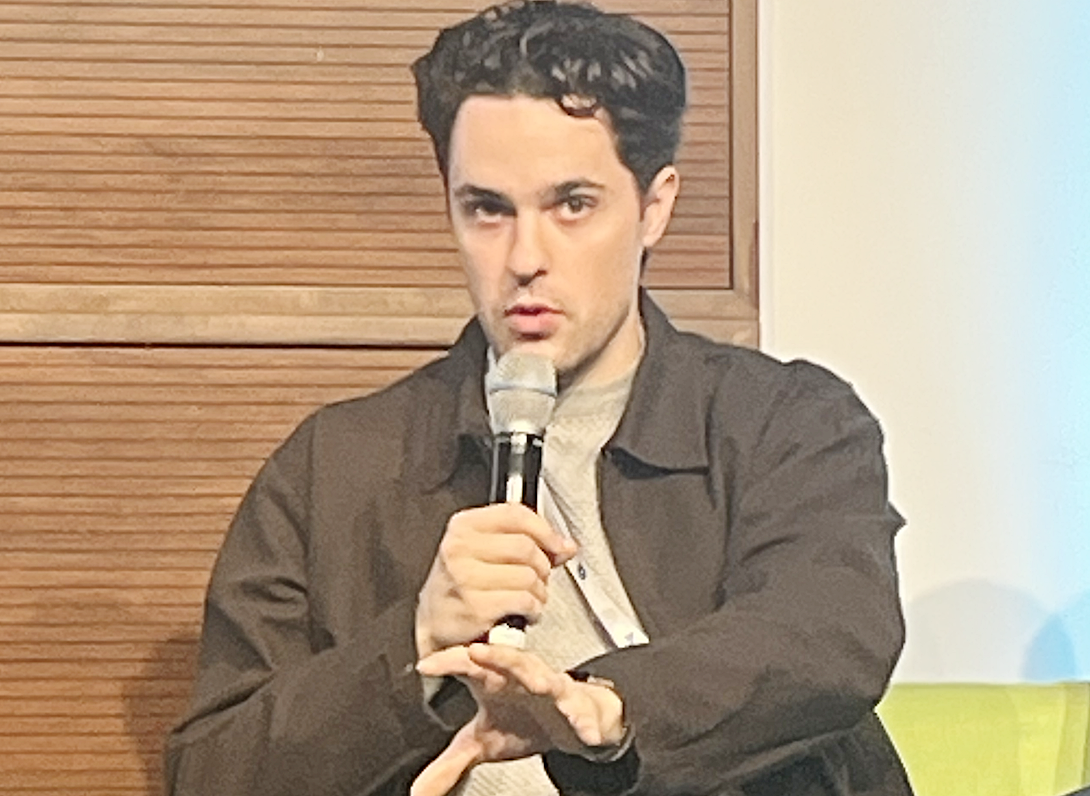
Image Caption
Local Journalism Initiative Reporter
Windspeaker.com
Darian Hirst has a key role to play to empower Indigenous entrepreneurs and communities across the country.
Hirst, a Red River Métis, is an investor with BDC Capital (Business Development Bank of Canada). He is focused on distributing the $100-million Indigenous Fund.
Hirst was a speaker at the MaRS Climate Impact Conference in Toronto on Nov. 19. He spoke at a session titled Climate Innovation in the North.
Creative innovations are being sought in the Arctic, where the climate crisis has hit first and with dramatic consequences.
Hirst and other panelists on this session discussed how to scale climate technology that will deliver real benefits to northern communities.
Hirst said BDC Capital’s Indigenous Fund, announced last year, is still in its early days but companies have expressed interest in it.
“Obviously there's a variety of Indigenous venture-based companies, lots of strong work in agriculture, which makes a lot of sense,” Hirst said. “And another angle, which is often forgotten about, is the fact that Indigenous communities are sovereign Nations. And they have a responsibility to build wealth for their future generations.”
Hirst works alongside representatives from Indigenous economic development corporations.
“Not all, but most First Nations and a lot of Metis and Inuit communities have economic development corporations, which are responsible for effectively generating cash flows for the community to pay for their community and their citizens and to build infrastructure,” he said. “So, we're seeing a lot of exciting opportunities to deal with development corporations taking part in projects.
“I think there's a lot of exciting work both on the nation building side and also on the more direct entrepreneurial level.”
Hirst said Indigenous people involved in business initiatives look at opportunities through a different lens. He said everything is not about the bottom line.
“It's not just return. It's about continuity of culture. It's about preservation of future generations. It's about their land health. So, there's a lot more than just dollars going into it.”
Hirst said trust is critically important when working with Indigenous communities. And he believes corporate Canada still needs educating on the issue of trust.
“They don't understand that decisions have been made about our land without our say for hundreds of years,” Hirst said. “And trust is naturally going to take time to build.”
Hirst believes it is vital for non-Indigenous business to focus on this topic.
“When you have the trust of an Indigenous community, you will have a partner that will outlive your involvement in your own business,” he said.
Indigenous communities are having discussions about access to capital, many believing that capital is not there.
“I actually don't think it's an access to capital thing,” he said. “The capital is out there. But capital providers have to think differently about how they're going to deploy their capital and understand that there is a resiliency to working with Indigenous communities and investing over long term.”
Hirst said people at BDC Capital have criteria for who they want to work with
“What we look for, in particular, is building Indigenous ownership?” he said. “Is this building upon economic reconciliation?... Inclusion is very different from economic reconciliation. Inclusion is, ‘okay, is everyone involved in the system?’ Economic reconciliation is, ‘is the system designed in a way that allows Indigenous communities to thrive and to prosper’?”
Hirst said he is confident that the peoples of the north will soon see many economic ventures.
“I think we will see a lot more unity with northern communities and remote areas being owners, decision makers and not everything just revolving around Toronto,” he said. “And I think we’ll have more unity as a country.”
The MaRS Climate Impact Conference was held at the MaRS Centre in downtown Toronto.
The centre, which opened in 2005, is North America’s largest urban innovation hub.