
Image
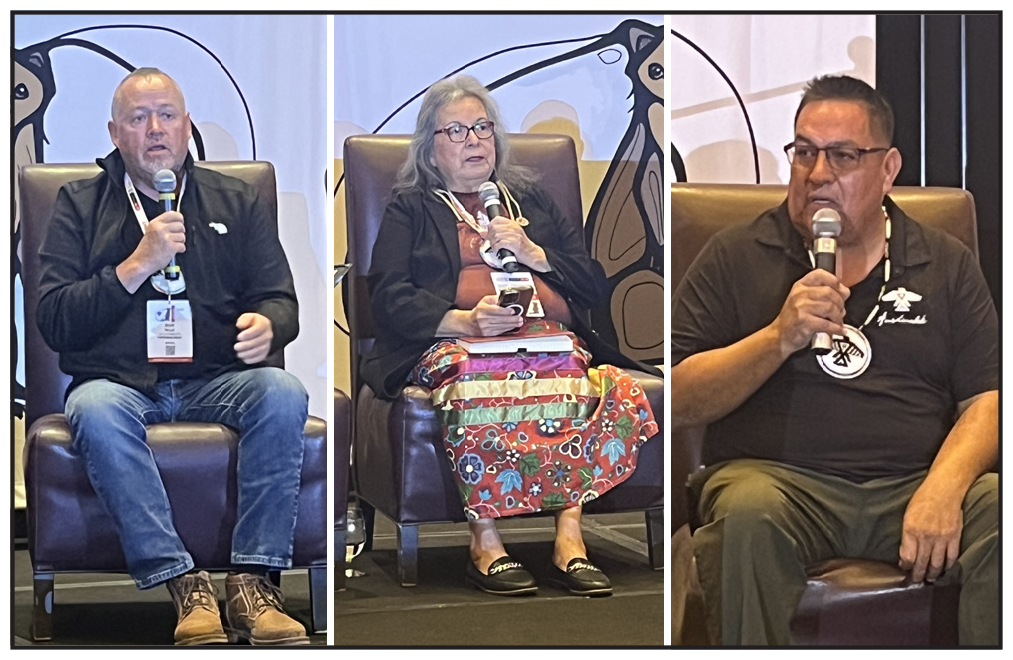
Image Caption
Local Journalism Initiative Reporter
Windspeaker.com
First Nations leaders believe damage has already been done by the passage of controversial Ontario legislation Bill 5, Protect Ontario by Unleashing Our Economy Act, 2025.
But they remain hopeful that First Nations will have input into any project considered on their lands.
The bill was passed by the provincial government this past June and works to speed up approvals for major infrastructure, mining and resource projects in Ontario by streamlining regulations.
"The legislation has been passed," said Marsha Smoke, Anishinabek Nation Southeast regional chief. She was speaking on a panel Oct. 16 at the Anishinabek Nation Economic Development Opportunities Forum held on Chippewas of Rama First Nation.
“The regulations are already in the process of being drafted, so I don't have a whole lot of hope that there will actually be changes to the legislation."
The panel also included Scott McLeod, Anishinabek Nation Lake Huron regional chief, and Anishinabek Nation Deputy Grand Council Chief Chris Plain.
The panel was moderated by John Beaucage, the former Anishinabek Nation Grand Council chief.
Smoke insisted that any projects the government is considering need to include First Nations consultation and planning.
“That means early involvement in any of the projects that are coming forward and the ones that may be moving forward by our own First Nations," she said. "We have to continue to push governments to recognize that First Nations, we have our own laws. We have our own land-based plans and protocols and that those can be used to decide any major projects coming forward.”
McLeod believes government officials will not be doing themselves any favours if they try to skirt First Nations’ involvement.
"On one hand, what they're saying is that they want to fast track development," he said. "What they don't realize, is that they're only going to slow down the development because First Nations are not going to provide consent on these projects until they fully understand it."
McLeod said it should be made clear that First Nations are not against development.
"We want it done in a way that protects our environment and their treaty obligations to our inherent rights,” he said. "We can't just bulldoze through this stuff. First Nations have inherent rights. They have title to the lands in their territories. And that's not going away. And their own courts have acknowledged these things."
Plain said while some First Nations members are excited about the possibilities of being involved with upcoming major projects, “many of the chiefs are concerned over-all with the processes.”
Smoke is not pleased the new legislation will exempt some projects from following environmental, heritage and local planning laws.
She’s worried about the risks these exemptions will pose.
"We must insist that any project under this legislation be First Nation-driven with a clear consent, co- governance, and enforceable community benefits,” she said. “Otherwise, it could only open the door for development that happens to us instead of with us."
“The only way that their legislation is going to work is if they bring First Nations along with them and sit at the same tables making those decisions and obtaining our consent in our territories for those types of development," McLeod said.
McLeod said government officials are touting that First Nations will benefit from procurement deals.
"Government wants us to talk to industry about procurement and just be happy with some jobs and maybe a new gym or something in your community," he said. "That's not what this is about. This is about including First Nations at every level as a nation to nation that shares that signing agreement and shares those revenues with them.
“It's not about them giving us a little bit of one thing and then taking everything else off. It's about us giving them a share of what's generated from our resources. We have to turn the table. This is our land. We will share with them. It's not the other way around."
McLeod was also keen to drive home another message.
"Bill 5 does not create any new opportunities,” he said. “The opportunities in our territories have always been there. Bill 5 looks to shortcut their access to those opportunities. The opportunities exist because of our land, because of the territory that we have occupied since time immemorial.”