
Image
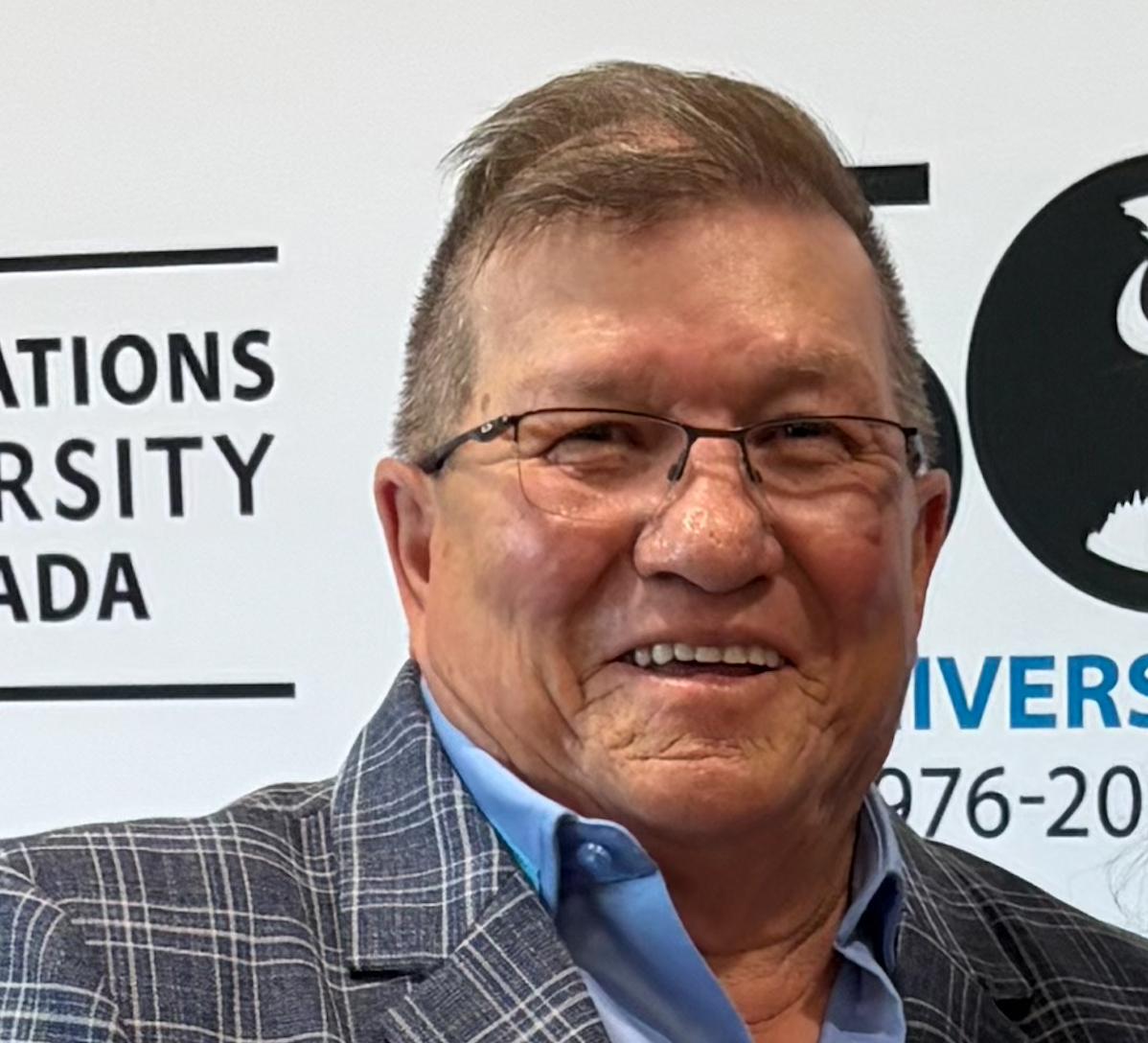
Image Caption
Local Journalism Initiative Reporter
Windspeaker.com
Terry Lerat is not only thrilled his First Nation has garnered a lucrative national award but pleased with what it will mean for the future of his community.
Lerat is a councillor for Cowessess First Nation in Saskatchewan.
Cowessess First Nation and its economic arm, Cowessess Ventures LP, along with Saskatoon-based company B.Nature Biotech, were recently awarded $450,000 through the national HARVEST wasteCANcreate program.
This funding came on the heels of a provincial investment of $125,000 from Innovation Saskatchewan this past January.
Along with some other contributions, almost $800,000 in total, this will allow Cowessess First Nation to utilize its local organic waste and convert it into enriched soil, which will in turn be used to grow food.
Dr. Babak Roshani, the CEO and co-founder of B.Nature Biotech, said the process of converting organic waste to enriched soil is not making compost faster.
“We are engineering a microbial consortium that unlocks phosphate and builds a living biofertilizer from material that would otherwise be wasted,” he said.
Lerat said what he’s looking to improve is his community’s food sovereignty.
“And it's not just about food. It's about quality of life. It's helping us advance the quality of life for our First Nation members.”
Lerat wants agriculture to again play a key role in Cowessess’ future.
“We've been removed from agriculture practices and food production for a number of years,” he said. “I'd say three generations. I'm in my 70s now and I grew up on a farm on my First Nation that my mom and dad built and provided for us. Because of agriculture, we sustained a pretty good lifestyle.”
He believes the recently announced funding will help his First Nation prosper.
“We'll probably start with community gardening,” he said. “We'll use the product of this program to enhance our soils and our gardens. And that will create a better lifestyle for our people.”
Lerat said Cowessess does have a community garden right now, which was launched about four years ago. That garden had its share of growing pains.
“But this year, you should see it,” Lerat said. “It’s an awesome garden. It takes a while for anything to get going. People have to accept it and people have to take pride in it.”
Lerat says funding from the national award will enable the vast majority of Cowessess members to start their own gardens.
“We want to expand into individual gardens for families and give the kids something for their life to revolve around after school and get away from their phones and the Internet and whatever that's keeping them busy like gaming.”
Plans to do just that are already in the works.
“We want to get going this summer,” Lerat said. “We want to put the bones of the project together this fall and be flying with it over the winter and into the springtime and get really going next summer.”
Lerat said this initiative will create some new jobs for members.
“To start off it will be just management jobs,” he said. “They’ll be putting all the parts of the puzzle together. To start off with it will employ a good crew, maybe six-eight people. But who knows. I haven’t seen the plans yet. It could be a bigger crew.”
Lerat is encouraging community members to jump on the gardening bandwagon.
“We have 230 families on the First Nation,” he said. “We’d like to get 90 per cent of them or 80 per cent of them to start with and give them a garden, enhance the garden, bring in a horticulturist, bring in the proper people to teach the program right and make it a success from day one.”
Lerat said that Cowessess members currently do very limited gardening. But he believes there is great potential to do so much more.
“Right now, we're buying all this food and it's going out to the waste dump,” he said. “Why don't we take that byproduct, turn it into compost and put it right back into the ground, enhance our soils to grow more food and the circle just keeps going and going and getting bigger and bigger as we grow.”
The new funding for the program will assist towards this goal.
“We need this added funding available to generate some success and make it a successful program throughout with continuity for the foreseeable future and forever,” Lerat said. “It will just grow and grow and grow to help our First Nation and local communities.”