
Image
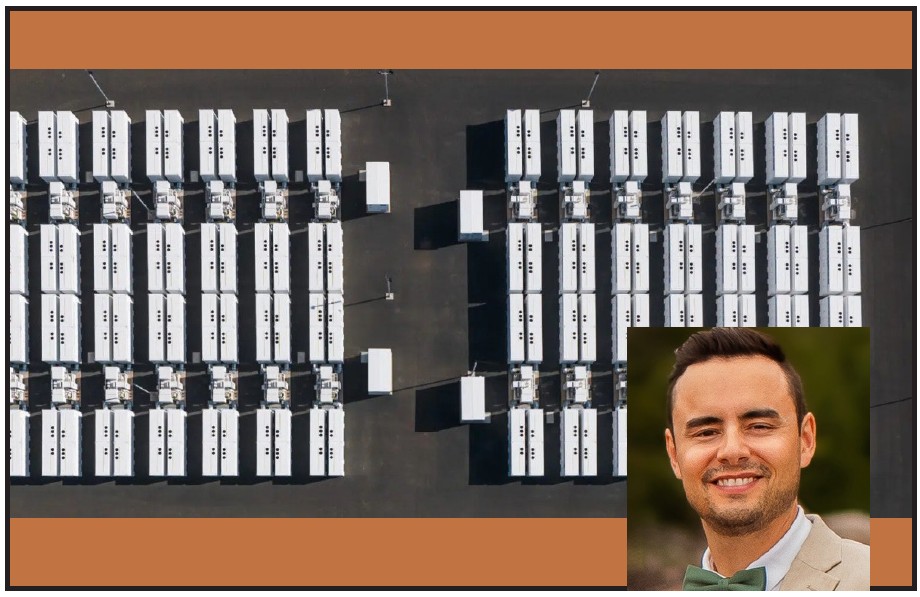
Image Caption
Local Journalism Initiative Reporter
Windspeaker.com
Eagle Lake First Nation in northern Ontario is the latest partner of Neoen, a renewable energy company that focuses on solar, wind and battery projects.
Details were made public on June 23 that Neoen and the First Nation have been awarded a 20-year 190 MW/8-hour capacity contract by Ontario’s Independent Electricity System Operator (IESO)
The energy will be delivered by a new battery, sized at 200 MW/1,600 MWh, which will store energy during periods of low demand that will then be released back into the provincial grid during peak usage. It will be constructed over a two-year period beginning in 2028 and located in the small municipality of Oxdrift, five kilometres north of Eagle Lake First Nation and about 15 kilometres west of Dryden, Ont. Costs and financing were not disclosed.
“We're very excited about it and looking forward to working in collaboration with Neoen to advance the project,” said Daniel Morriseau, Eagle Lake First Nation’s director of strategic projects and alliances.
“It's a big opportunity for us in terms of an equity investment, being 50 per cent equity partners with Neoen on this project, helping to generate some sole source income for the Nation,” Morriseau said.
“It's going to be a big opportunity for us in terms of looking at procurement and contracting opportunities and employment opportunities for some of our First Nation members on the project during both the construction and operations and maintenance phase.”
Eagle Lake First Nation has about 400 members living on reserve and another 300 off-reserve.
Morriseau said representatives from the First Nation were keen to get involved with IESO’s procurement call for power. Proposals were due last December. He said it was a great opportunity because of the stability of contracts being offered.
“From our perspective, it really was important to partner with an industry leading partner on this, just so they can bring that expertise to the table,” Morriseau said. “There will be a lot of learning on our side of things and then, obviously, a lot of contributions from us in terms of traditional knowledge and building a project in a way that upholds our traditional values and traditional laws.”
Neoen, headquartered in France, has been operating globally since 2008 and active in Canada since 2022. The company has deals with other First Nations in Ontario, including two solar projects with Garden River First Nation and Matachewan First Nation, as well as a battery storage project with Saugeen First Nation.
Morriseau said Neoen reps first approached Eagle Lake leadership to gauge interest in working together.
“They reached out to us really, really early on,” he said. “We were really impressed with that early engagement … and sharing information with us. So, we had that time to kind of develop a relationship and were able to formalize our partnership in time to get a bid in.”
Morriseau said Eagle Lake First Nation is interested in creating more renewable projects.
“I think we're absolutely open to it, just recognizing the IESO's projected Ontario electricity growth needs,” expected to increase by 75 per cent from 2025 to 2050.
“We’re trying to position ourselves as a leader and trying to help meet those needs for the province,” said Morriseau. “So, we’re totally open to participating in future procurement opportunities.”
For now, however, thoughts will focus on the battery project.
Morriseau said Neoen and the Nation will hold a community open house to share information.
“We want to make sure the community members are aware of what this means for the Nation and the future opportunities.” He said preliminary environmental work also needs to be done. That includes getting the First Nation’s environmental monitoring team out for site visits.
Benoit Pinot de Villechenon, Neoen's provincial director for Ontario, said his company has been feverishly working the last few years in the Ontario market to develop projects in partnership with First Nations and submit those projects into IESO competitive procurements.
“We are extremely happy to see some success in those procurements, to be awarded some contracts,” he said. “And it's very important for us to have those projects being co-developed and co-owned with our partners.”
He believes that Indigenous participation in clean energy is an important step towards economic reconciliation.
“We know that those infrastructure projects are being developed in the traditional territory of the First Nations,” he said. “So, being able to do early consultation, early engagement from the beginning and have First Nations own 50 per cent of the project is key because it's the best way to accurately provide long-lasting economic benefits to the Nations.
“It's very important for us that all the projects that we are developing in Ontario are done in 50-50 equity partnerships” said Pinot de Villechenon. “All the projects that have been awarded contracts in the latest stages for procurements all follow that trend. So, I think it's a very good sign to see that the industry, as a whole, is participating in economic reconciliation. We want to be part of that.”
He said the IESO will have future procurement calls.
“We are developing other projects in partnerships with First Nations across the province to answer to those requests for proposals,” Pinot de Villechenon said. “We will submit proposals when new procurements are announced. And hopefully we will keep growing in the province. We know that Ontario needs more power. Ontario needs more capacity. And we want to be part of the solution.”