
Image
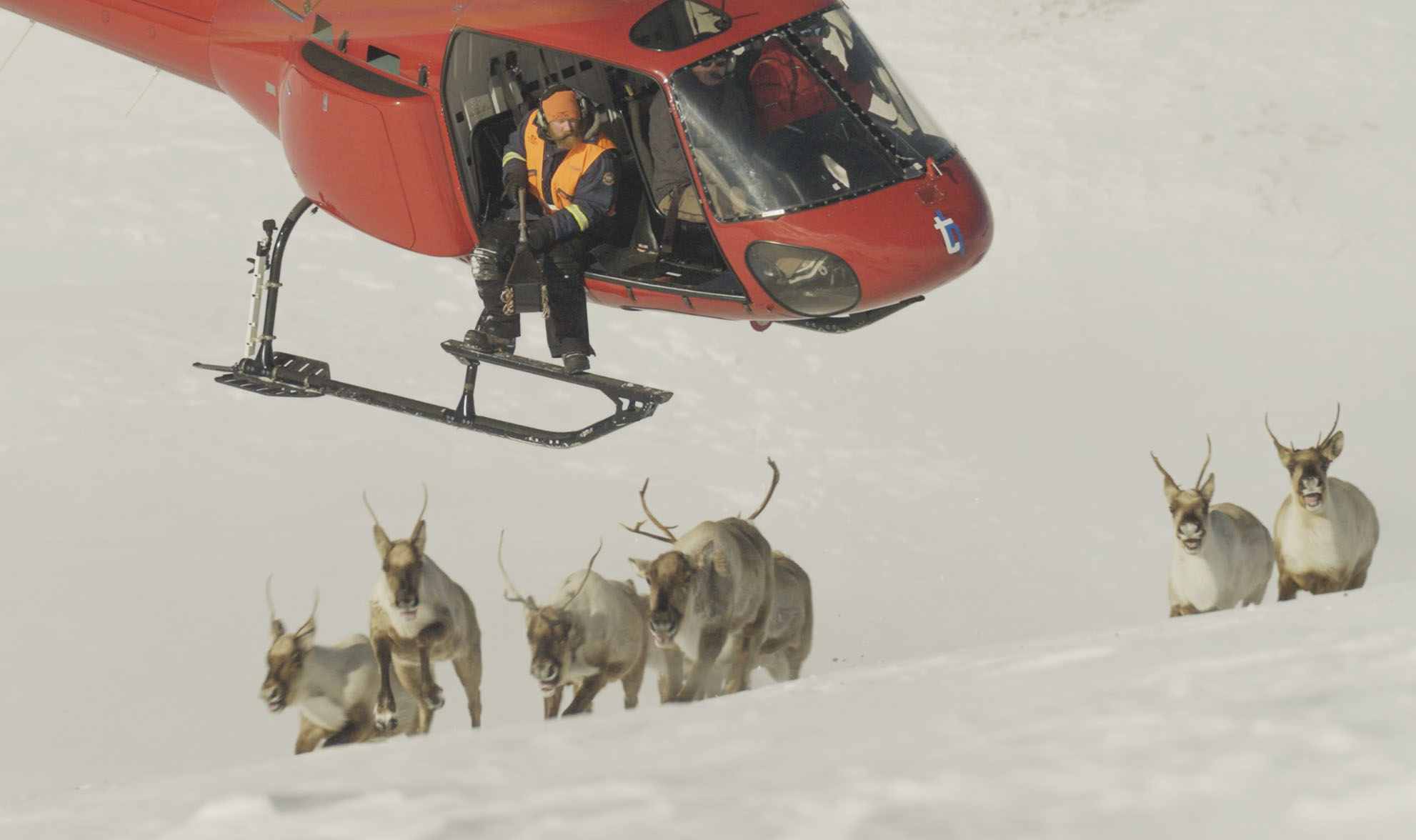
Image Caption
Local Journalism Initiative Reporter
Windspeaker.com
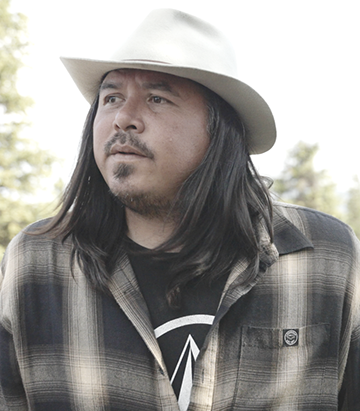
Luke Gleeson insists all he is trying to do is start a conversation.
Gleeson, a member of Tsay Keh Dene Nation in British Columbia, is not only one of the writers but he also produced and directed the film Wədzįh Nəne’ | Caribou Country. The movie will have its world premiere at the Whistler Film Festival on Dec. 4.
Gleeson’s latest film explores the reasons why caribou herds are decreasing across British Columbia’s northern territories.
The movie includes segments with First Nations guardians protecting ancestral lands and biologists who track caribou.
“I don't think we're trying to educate anybody,” Gleeson said. “I think we're just trying to get a conversation started. But I think you'll find, especially with a lot of land-based stories, they tend to be hidden from the public lens. I don't think people really understand some of the obstacles we’re facing in the north.”
With this film Gleeson does his best to inform viewers what happens when outside businesses move in and start operating on First Nations land.
“I've been at conferences where we've been referred to as the breadbasket of the province,” he said. “And we've been left with crumbs. And we're watching logging take place at a scale that I think most people in the north agree is quite unsustainable.”
That’s why Gleeson is eager to have people start talking about the problems First Nations members are encountering and why caribou are disappearing.
“I don't want to lean one person one way or the other,” he said. “I think the best place to start is to have those discussions and people can interpret it in their own way. There are different levels of expertise with viewers across the board. There may be somebody who maybe has never even seen a caribou in the wild in their life.”
After its world premiere at the Whistler festival, which runs from Dec. 3 to Dec. 7 in the town north of Vancouver, Gleeson’s movie will start streaming on the Knowledge Network in February 2026.
“Our goal was to tell a B.C. story,” Gleeson said. “So, we're very happy with Whistler. That's a great home for us to premiere the B.C. story. We haven't really thought too much past that.”
Gleeson said a conversation with a producer from the Knowledge Network a few years ago led to the creation of his newest film. The network rep told Gleeson he enjoyed his previous film DƏNE YI’INJETL | The Scattering of Man. That 2021 documentary was about the displacement of members from Gleeson’s First Nation after a flood was caused by the construction of a dam.
“He told me to pitch them something,” Gleeson said. “And coming off of a feature documentary, I was looking to do something short and not jump into another feature right away.”
Gleeson’s original pitch was a seven-minute short. But his concept eventually grew into a 55-minute film.
“It just sort of happened,” Gleeson said. “I think the story is there. And I think a lot of people are maybe unfamiliar with some of the stories regarding caribou and the declines we’re seeing across the board. We just sort of lucked ourselves into another great project with a great group of people.”
Gleeson said he was simply looking to get the story out there and let people form their own opinions about the issue.
“I think with any story, nobody wants a story crammed down their throat,” he said. “Caribou aren’t political. They could care less … (if) there's a boundary or not. But I do know that people who are on the land-base definitely have their own experiences, their own stories.
“So, essentially what we want to do is to capture that and allow people to foster a discussion and maybe start looking at it from a bigger picture perspective and start that conversation of why are we seeing such declines across the board.”
Gleeson said there is a much bigger story that can be told about the topic of declining caribou in Canada.
“This kind of grew out of a seven-minute kind of art film idea,” he said. “And it grew into the feature that it is currently. But the subject is complex. It's not an easy thing to tackle. For us to do it in the span of an hour is almost impossible.”
Gleeson would welcome the opportunity to do future work on this subject, but TV network officials are the ones to question about this.
“I think it's definitely something that could very much be a series,” Gleeson said. “And it could be a series across Canada because you're seeing this everywhere. It's not unique to B.C. And I know that there's a lot of initiatives on the ground and there's a lot of people that have tried to bring films forward, whether they're short films or feature length. I think that you would see that the story is woven right across this country.”
More information about the film and ticket details for its Whistler screening are available at https://www.whistlerfilmfestival.com/festival-events/2025/wdzih-nne-caribou-country-and-one-but-many