
Image
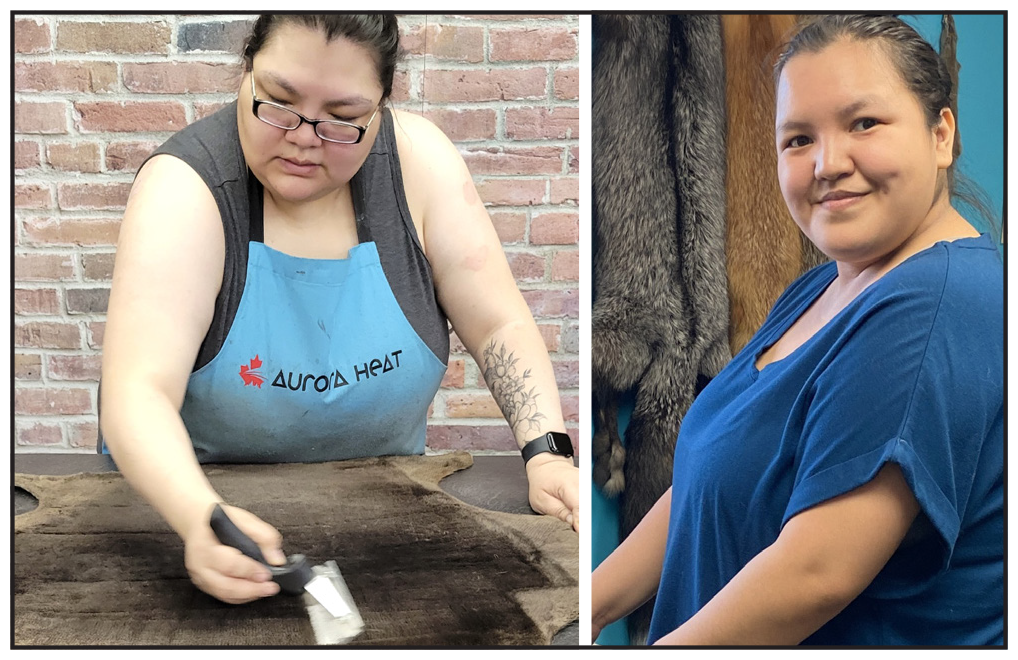
Image Caption
Local Journalism Initiative Reporter
Windspeaker.com
Aurora Heat, an Indigenous-led business based in Fort Smith, N.W.T., is producing a line of reusable warmth products crafted from wild beaver fur. It’s a choice that founder Brenda Dragon of the Tthebatthıe Dënésułıné Nation says is grounded in Dene teachings of respect, responsibility and living in balance with the land.
That distinction is central to what Aurora Heat represents: a return to natural materials that last, a business model shaped by relationship rather than extraction, and a way of creating meaningful work for artisans in a small northern community.
Dragon said the company’s worldview was shaped long before she ever thought about business.
“Growing up, beavers and the land were part of everyday life,” she said. “In the North, winter cold is something you live with and manage.”
Dragon recalled her father working in town, but his passion was for his trapline. He trapped through the winter and provided wild meat and fish for the family year-round. As a child, she would sit with him while he prepared pelts, observing each step of the process.
“He always spoke about relationship and responsibility … about knowing the animals in his area and leaving certain places alone one year and trapping them the next,” she said. “I still remember his focus and the patience in that work.”
Aurora Heat did not begin as a pre-planned business concept.
“Aurora Heat didn’t start with a lightbulb moment. It came out of everyday northern life,” she said. “I know fur.
“Raising our kids in Yellowknife, winter cold is something you prepare for, and fur has always been part of how our family stayed warm.”
Dragon’s first product idea took shape to help her son.
“When my son was a teenager and obsessed with snowboarding, I started placing fur into different spots in his clothing to help him handle the bitter cold,” she said.
She soon began making the fur squares for others, and quickly realized people weren’t just trying them, they were keeping them and returning for replacements if they lost one.
“The first time someone came back with real enthusiasm, I could tell I was onto something,” she recalled. “What started as a practical solution could become something larger.”
Aurora Heat is based in a community of about 2,500 people. Dragon has said it was important to build the business in Fort Smith, because the work belongs there, rooted in place and community.
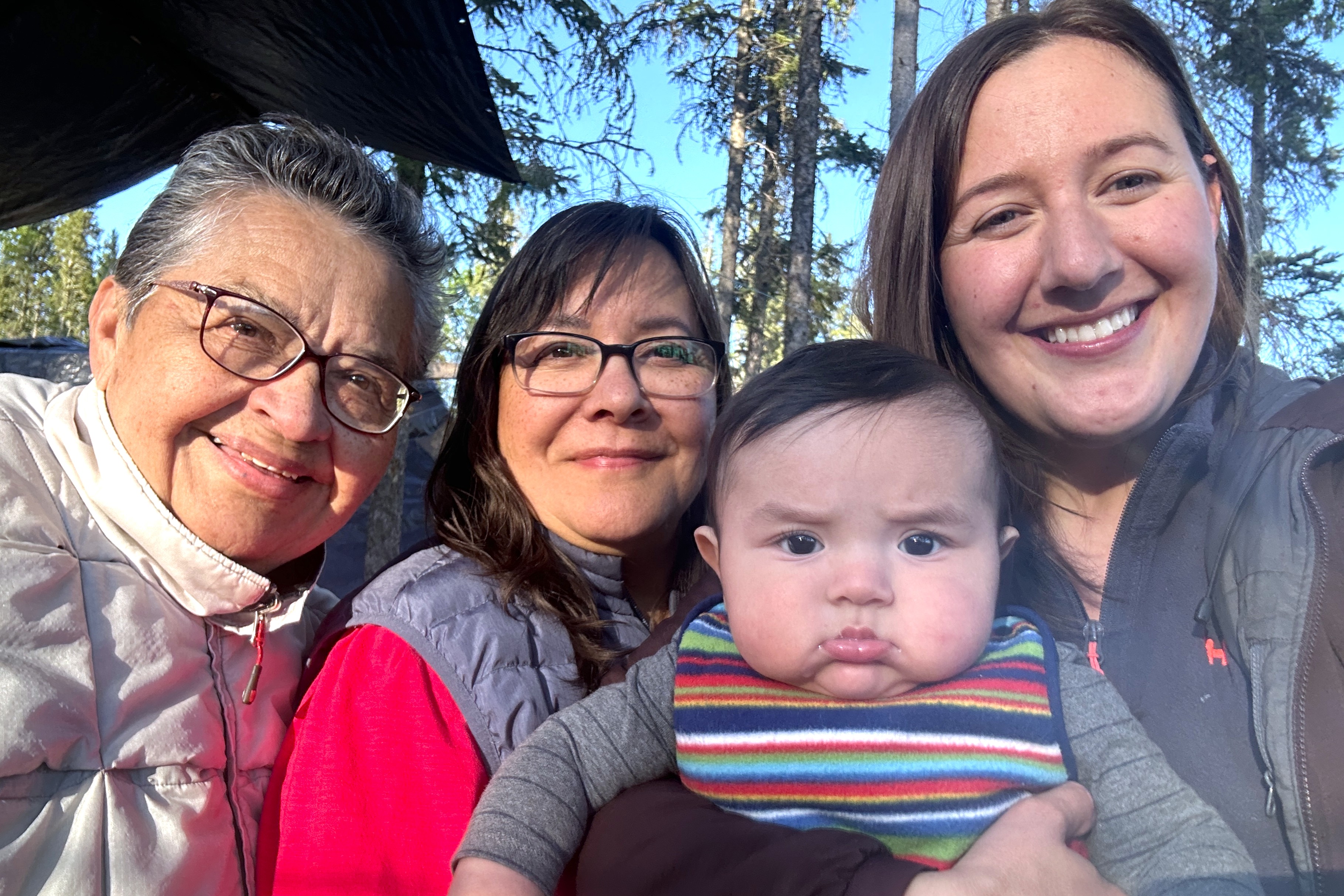
She moved away when she was 20, but returned about a decade ago at age 53 to be with her mother after her father passed. Aurora Heat began in her mother’s basement and grew from seasonal work into a full-time business in 2019.
“The local Métis council and Band council were encouraging as I grew,” she said. “I felt the community behind what I was trying to build.”
Dragon said building any business takes courage, but operating in a remote northern community comes with challenges that southern Canadians often do not see.
“One challenge in a small northern community is that many supplies are not available locally, and shipping options are limited and expensive,” she explained.
To address limited options, Dragon and her team bought a travel trailer and began making twice-yearly trips to Edmonton to bring back essential supplies.
Dragon said Aurora Heat’s core material — wild beaver fur — has long been used by Indigenous peoples, and she sees the company as a way of carrying that knowledge forward in a modern form.
“Aurora Heat brings culture forward by creating space for land-based knowledge to be lived, shared, and carried into modern life,” she said.
“My father used to say the beaver was one of the most important animals on the land, not only for clothing, but by creating water habitat for other animals and by providing food with their nutritious meat.”
Dragon has also watched how the anti-fur movement affected northern Indigenous communities.
“Many families lost an important way to provide through trapping, and fur became misrepresented and misunderstood,” she said.
She said Aurora Heat is challenging that misunderstanding by emphasizing the original purpose of fur in northern life: warmth, survival, and long-term use.
“Aurora Heat has always been about fur for warmth, not fashion … and about reconnecting people to the original purpose of our relationship with animals: survival, respect, and long-lasting use,” she said. “These products are an alternative to disposable, petroleum-based, single-use warmers. Beaver fur lasts for years, season after season.”
According to the company’s website, all operations are carried out with near zero-waste.
“In our workshop at the end of each day, there is no garbage in our bin,” she wrote. “We use all parts of our pelts in deep respect and gratitude to the Land and to Tsa, the beaver.”
Dragon hopes that Aurora Heat can show other Indigenous women in northern communities that business ownership does not have to mean compromising cultural values.
“I hope Aurora Heat represents a pathway for other Indigenous women: that business can be values-driven, good for the earth, and also good for families and community,” she said.
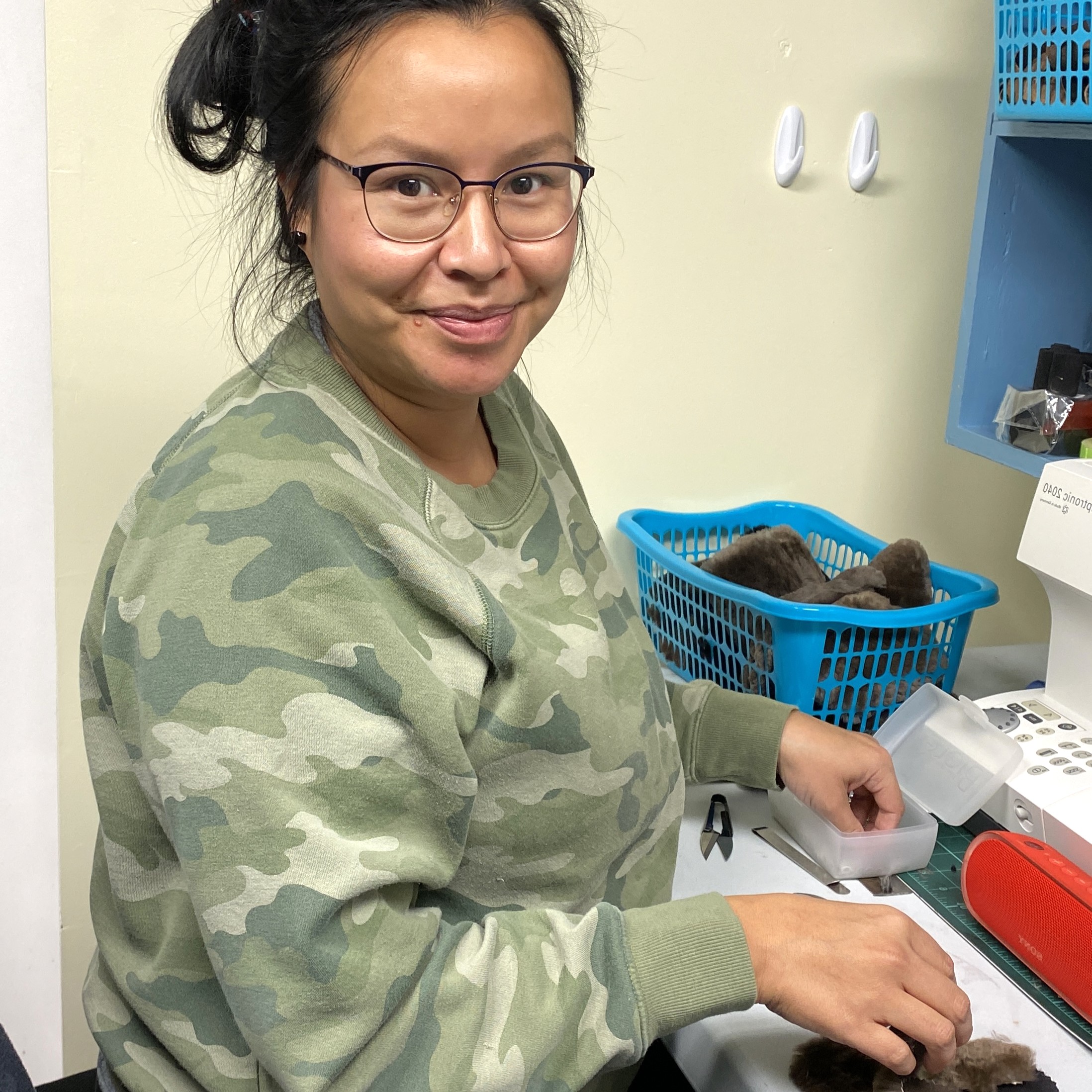
Dragon often returns to a quote from the late senator Murray Sinclair when describing what innovation can look like in Indigenous contexts: “Innovation isn’t always about creating new things. Innovation sometimes involves looking back to our old ways and bringing them forward to this new situation.”
These values are reflected at all levels, including profit-sharing with employees, the donation of $1 from every online product sale to nature-based youth organizations, food sovereignty with a greenhouse for employees, and plans for a wild-fur tourism offering.
“Businesses like Aurora Heat help younger generations see that this knowledge isn’t just history,” she added. “It continues through what we make, how we work, and what we choose to value.”
Aurora Heat products are available online at AuroraHeat.com. The business can also be found on Facebook, Instagram, and LinkedIn.