
Image
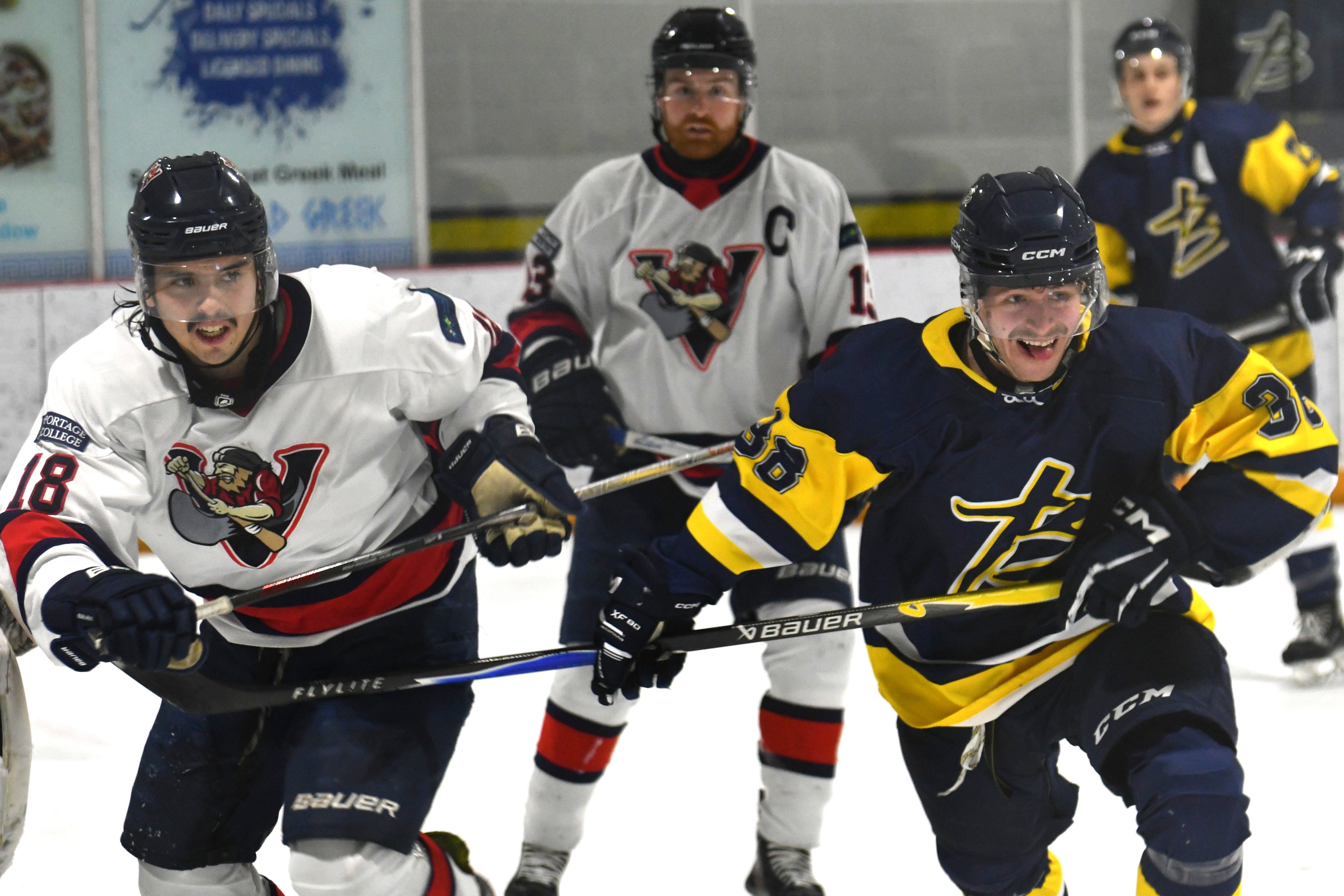
Image Caption
Local Journalism Initiative Reporter
Windspeaker.com
When Portage College men’s hockey assistant coach Pierre Sparklingeyes looks back on the Voyageurs’ January exhibition series against the Chinese national men’s team, he doesn’t remember the ceremony of the event. He remembers the pace of the games and what they demanded from a roster drawn largely from northern and rural communities, including Indigenous student-athletes.
“That team just came at us and at us,” Sparklingeyes told Windspeaker during an interview in Moose Jaw, Sask. on Feb. 13.
The series forced his team to “keep battling through the full 60 minutes of each game.”
Portage split the two-game set at the Bold Centre in Lac La Biche, Alta. winning 6–5 on Jan. 23 before dropping the rematch 3–1 on Jan. 24.
Sparklingeyes is from Goodfish Lake Cree Nation in northern Alberta and played for Portage in 2015–16. He said the weekend gave his players a rare opportunity to test themselves against an international team built on speed, discipline, and structured systems.
“It was a good learning curve for them,” he said of the Voyageurs players, pointing to a season-long challenge of finishing weekend series strong.
“This year we’ve been struggling with getting the second game as a win … we win one, we lose one.”
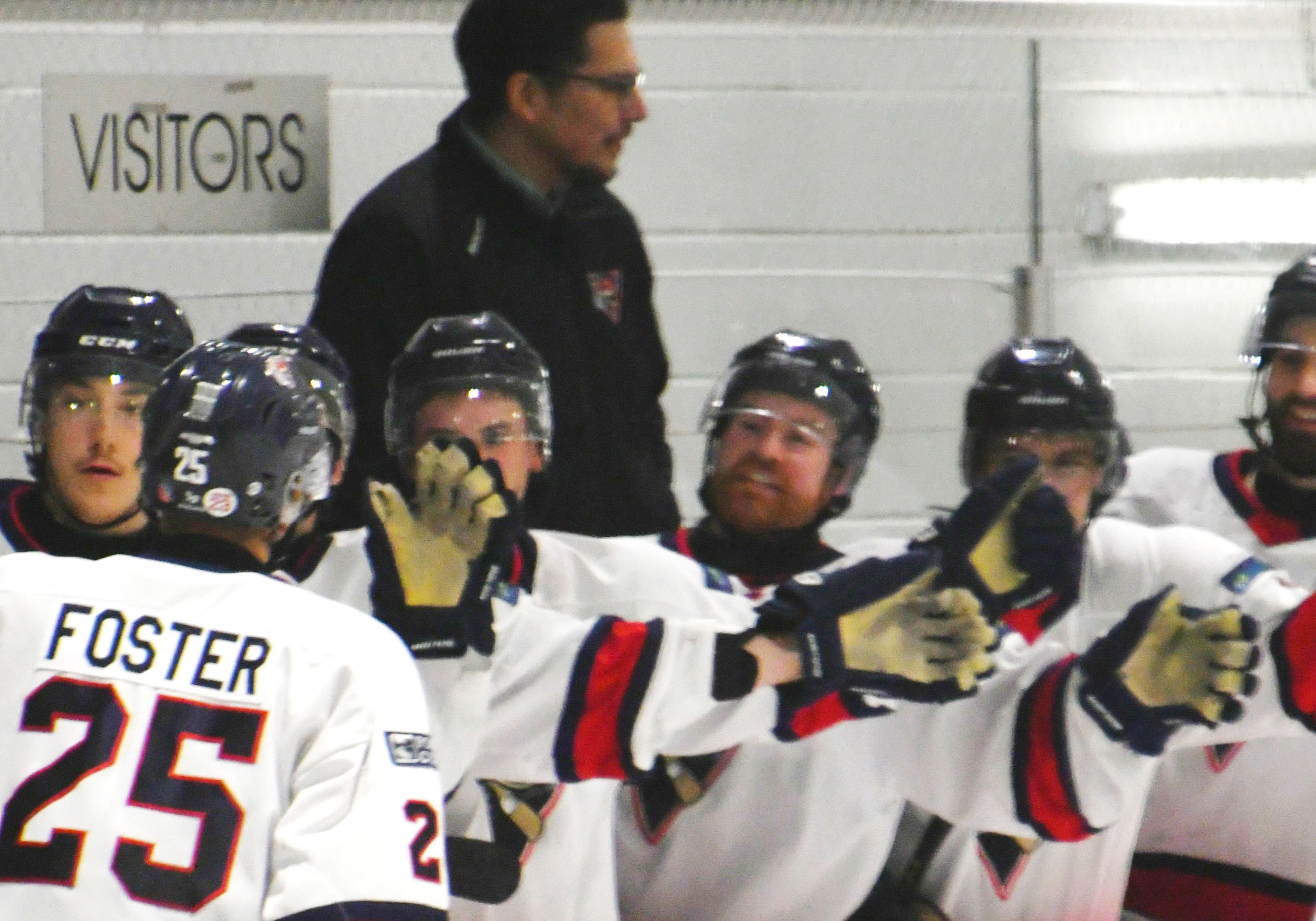
That lesson carried into a mid-February Saskatchewan road swing that became one of the team’s biggest weekends in years during play in the Alberta Colleges Athletic Conference.
Forward Jonah Smith, a first-year student-athlete in Portage College’s environmental technologies program, said choosing to play for the Voyageurs meant returning to familiar ground after years away from home.
“I’m actually from Lac La Biche, so I’m back in my hometown after four years of junior hockey,” Smith said. “It’s been a great experience so far.”
Smith has Métis ancestry on his mother’s side, tracing back to the Red River region in Manitoba. Returning north has meant being in a place where Indigenous culture isn’t treated as an add-on.
“The college in town is amazing for all the Indigenous aspects of what they teach,” he said. “(It’s a) very cultural school.”
Smith was injured during the Team China series and didn’t see ice time, but he still found himself pulled into the experience from a different vantage point as a third coach on the bench.
“I had never been on the bench before for one of my team’s games,” he said. “It’s a lot easier to see the game from the bench. When you’re watching, you can see situations better … (and) what I’m missing in my game and what our team’s missing.”
Goaltender Ethan Barron, also in his first season with the Voyageurs, was in the crease against China and described the challenge in terms of their speed.
“They were a pretty fast team, probably some of the faster players I’ve skated against,” Barron said. “Going forward, I’ll be able to hopefully improve my game to match their standards.”
Barron is Métis on his father’s side, with family roots in Manitoba and Ontario, and relatives spread across Saskatchewan and Alberta.
Portage’s Saskatchewan visit came as part of a road trip to face Briercrest College in Caronport, Sask. with the Voyageurs fighting through a tightly packed standings table.
Sparklingeyes described it as “a bit of a dog fight to get in,” with teams separated by only a few points. “We were hoping to come in here and take care of business,” he said, calling Barkman Arena where the matches were held “a tough place to play.”
Portage didn’t just take care of business. They made a statement.
The team collected five of a possible six points against Briercrest with a 7–6 overtime win on Feb. 13, followed by a 6–4 victory on Feb. 14 and keeping the club “tantalizingly close” to its first playoff berth in 12 years, according to a team recap on Athletics.PortageCollege.ca posted Feb. 17.
Barron said the long bus ride didn’t flatten the group, and instead gave the team a chance to settle in together ahead of a crucial weekend. “I think everyone’s ready to win,” he said.
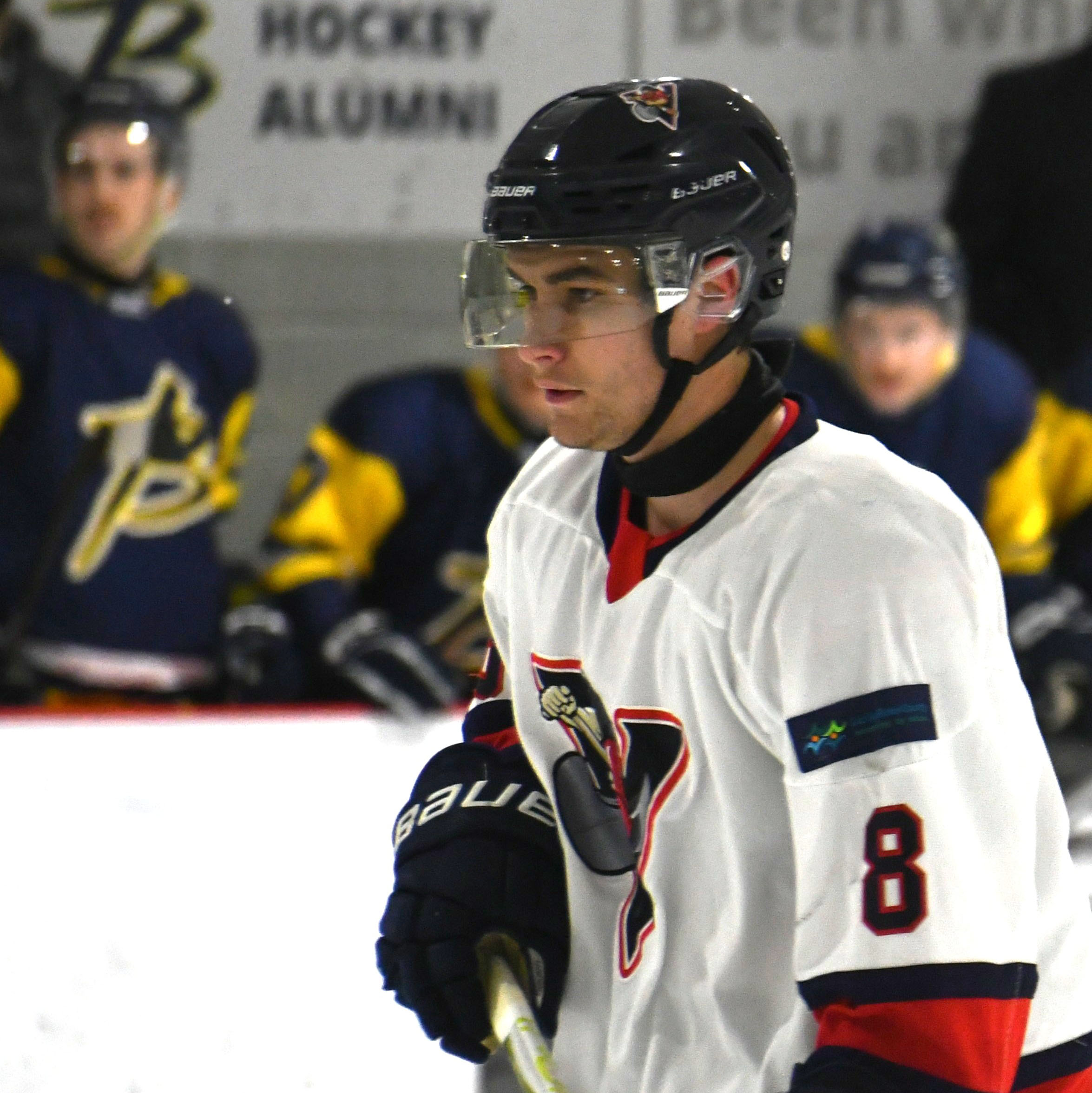
Smith, who called the trip “pretty long,” said the Voyageurs arrived early to “get the bus legs out.”
“We’re battling for the final playoff spot here in our league,” he said. “It’s definitely crunch time.”
Sparklingeyes said the travel, exposure and a wider variety of competition are part of what makes the college-hockey route valuable, especially for athletes who may have felt overlooked or who didn’t have the resources to leave home at a younger age.
“You had to go to the big city to continue your career … (or) you had to be extremely good to get out,” he said of his playing days.
Sparklingeyes said Portage College offers athletes a chance to stay closer to their support systems while still playing meaningful hockey, and noted that opportunity often comes down to networks.
“The camaraderie and the rapport you build with your teammates at this level … ends up becoming a business network at the same time,” he said.
Sparklingeyes said Indigenous representation in hockey has grown visibly since he played.
“Indigenous coaches were a rarity,” he said of earlier years. Now, he sees “more and more guys that were former players” moving into coaching and skills work, expanding the map of who young athletes can learn from and who they can picture themselves becoming.
Barron, who said he hopes to return next season and “finish my education here and finish playing with the Voyageurs,” framed his own plan simply: “I want to play hockey for as long as I can.”
That long view matters, Sparklingeyes said, because the barriers Indigenous athletes faced weren’t only about talent. They were also about isolation and the burden of leaving home too early.
“A lot of guys before us, they had nobody. They had to do it alone,” he said. “If you’re doing this at 14, 15 … you’ve got to figure it out. You’ve got to grow up fast.”
Portage College’s regular season wraps up with a home-and-home against the Concordia University of Edmonton Thunder beginning Feb. 20 at the Bold Centre in Lac La Biche, followed by the Feb. 21 finale in Edmonton.
After pushing themselves to the edge of a playoff berth, Sparklingeyes said the team’s mission is bigger than one weekend or one season. It is about competing at a high level while keeping the door open wider than it was before.
“I just want to get (to) where that doorway is open for Indigenous athletes,” he said, not only to play, but to stand confidently in the space they’ve earned in the game.
To learn more about Portage College and the Voyageurs, visit PortageCollege.ca.