
Image
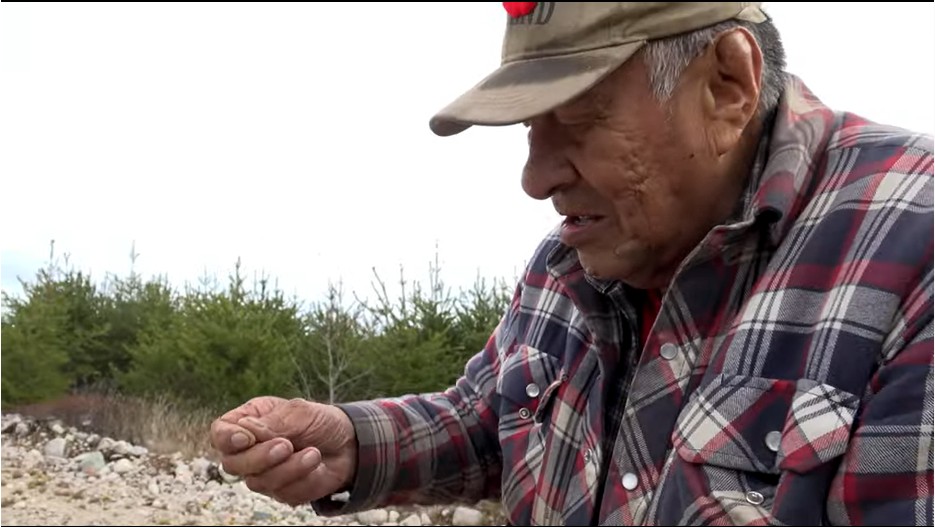
Image Caption
SERPENT RIVER, ONT.—The attack by the government of Ontario on our Anishinaabek way of life along the North Shore of the Great Lakes continues. In the latest assault, the Ontario Ministry of Natural Resources has given only weeks’ notice of a devastating aerial herbicide spray operation taking place between August 18 and September 30 across Anishinaabek lands near Elliot Lake, Blind River and Espanola.
The operation will douse over 4,500 hectares in a commercial formulation containing the herbicide glyphosate. Similar operations are planned across other forest management areas.
This herbicide impacts aquatic life, and kills blueberries and other crucial foods, medicines, and tree species necessary to forest life. In response, the Traditional Ecological Knowledge Elders in the Robinson Huron Treaty Territory are taking action along Highway 17 which runs east-west along the North Shore of Lake Huron.
The action will take place August 14th from 10 a.m. to noon off Highway 17 near the Serpent River Trading Post.
The Traditional Ecological Knowledge Elders (TEK Elders) have called for this action in response to recent reporting in Soo Today July 22 by Greg McGrath-Goudie.
“They don’t listen,” TEK Elder Joe Jones said about the Ministry’s announcement. “We’ve been telling them for years this spraying is affecting all our relations; it is killing our Anishinaabek way of life.”
TEK Elders began a campaign to end glyphosate-based herbicide use permitted in Ontario forestry over a decade ago. Joe Jones and other knowledge holders have observed dramatic changes in moose, deer, muskrat, and other forest life as jack pine plantations began replacing mixed forests with the help of glyphosate-based herbicide use.
Officials quoted by McGrath-Goudie, including MNR spokesperson Mike Fenn, claim the herbicide is necessary to “control competing vegetation” and that “re-establishing conifer forests supports biodiversity, provides wildlife habitat, and helps meet long-term wood supply needs.” Fenn claimed in the Soo Today article that glyphosate-based herbicide “doesn’t build up in the environment and breaks down after it sticks to plants or soil,” and that only certain areas will be subject to the project.
Elder Caroline Recollet (Wahnapitae First Nation), spokesperson for the TEK Elders “Stop the Spray” Campaign, rejects the Ontario Ministry of Natural Resources’ claims about the “need” for herbicide “management,” and reminds us that TEK Elders founder Raymond Owl refers to aerial glyphosate use as “raining poison from the sky.”
“Ontario has an obligation to respect our Treaty rights,” said Elder Caroline Recollet. “When forests are converted to plantations, all life is affected – we share these lands with all creation.”
Chiefs of Ontario released a statement July 31, 2025, informing the MNR that all 40 First Nations have come to consensus to reject glyphosate use in forestry across all First Nations’ lands. The Chiefs of Ontario have taken up the campaign on the TEK Elders’ behalf, and a number of Chiefs have been invited to join the action on August 14th.
TEK Elders are calling on all concerned community members to stand up and reject these assaults on our forests. When discussing the context for the Highway 17 action, Elder Caroline Recollet points out this forest conversion affects us all – the Anishinaabe, settler descended, and our more than human relatives.
The current western science does not support the MNR’s claims of safety and necessity: “Our friends at Safe Food Matters and other international partners have been working on a Global Glyphosate Review for the past 5 years that supports what we Anishinaabek knowledge holders have been saying since Raymond Owl first rallied us together – this entire approach of relying on herbicides in forestry harms our way of life.”
Safe Food Matters also rejects the MNR’s claims of safety. Safe Food Matters recently released a Forestry and Food Report in which they found the agency responsible for approving glyphosate failed to account for the frequency of use as well as the impact on forest foods for Indigenous peoples and the non-human populations with whom Indigenous peoples, including the Anishinaabek, share forested watersheds.
(A representative of) Ontario Stop the Spray will be joining the TEK Elders on August 14, bringing support from this grassroots organization of concerned citizens across the province.
Information on TEK Elders at https://tekelders.ca/
Information on Stop the Spray campaigns at https://stopthespraycanada.ca/scandal/