
Articles by Shari Narine
Windspeaker.com Books Feature Writer
Local Journalism Initiative Reporter
Windspeaker was honoured to spend time speaking with the authors and editors, academics and Elders, poets, illustrators and activists whose books were making news in 2025.
Books Feature Editor Shari Narine has pulled together the articles that came from those interviews. In them she examines the issues, the motivations and inspiration that made those books reality.
We hope you enjoy this fresh look back at this year’s work.
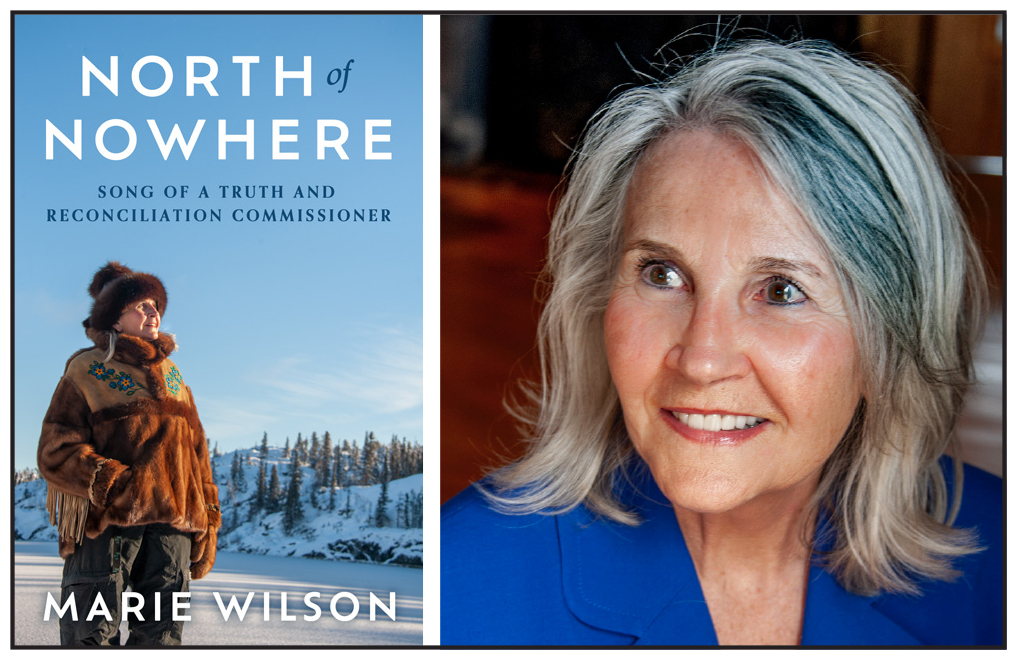
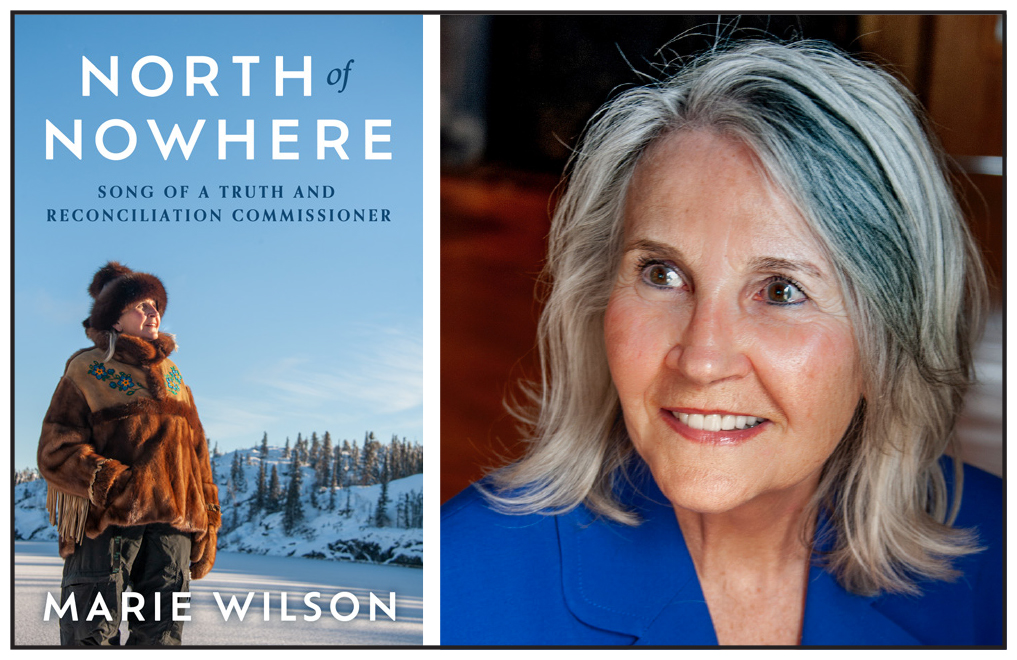
North of Nowhere: Song of a Truth and Reconciliation Commissioner
This book is the memoir of Marie Wilson, a member of the three-person panel that journeyed across Canada to uncover the truth about Indian residential schools and set a path for reconciliation between Indigenous peoples and Canadians.
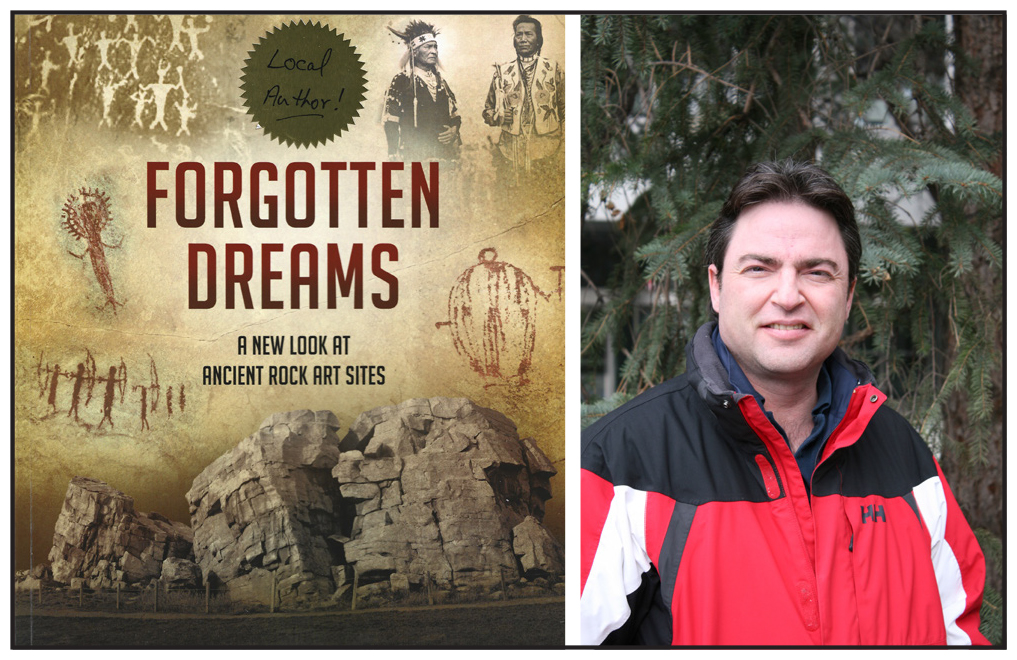
Forgotten Dreams: A New Look at Ancient Rock Art Sites
Thirty Elders collaborated with former Parks Canada archeologist Brad Himour on the book providing interpretations of paintings on rocks in southwestern Alberta and southeastern British Columbia.
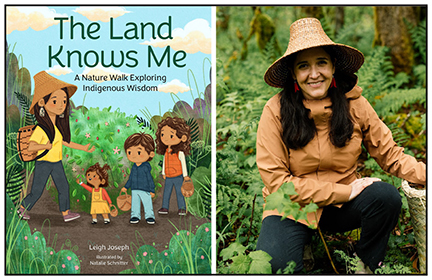
The Land Knows Me: A Nature Walk Exploring Indigenous Wisdom
Leigh Joseph’s second book takes children on a trek through the Pacific Northwest rain forest and introduces them to plant relatives.
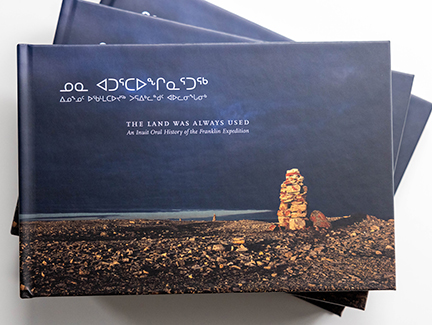
The Land Was Always Used: An Inuit Oral History of the Franklin Expedition
British polar explorer Sir John Franklin brought two ships in 1847 to the Canadian Arctic to explore and map the Northwest Passage. All 129 men on the expedition died. More than 30 expeditions travelled to the Arctic in search of the lost ships. Stories from Elders were passed down of the sightings and interactions with the men.
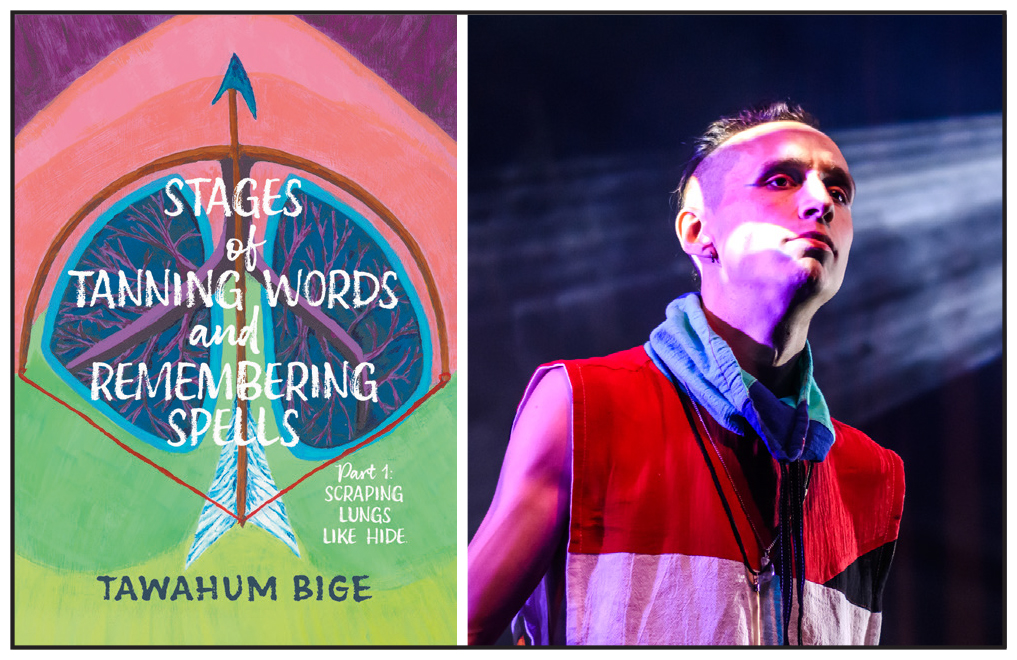
Stages of Tanning Words and Remembering Spells
Poet and spoken word artist Tawahum Bige uses his “voice as a weapon.” Writing helped them engage with much of their unresolved trauma, but despite the intensity and heaviness of some of their work the poetry is healing.
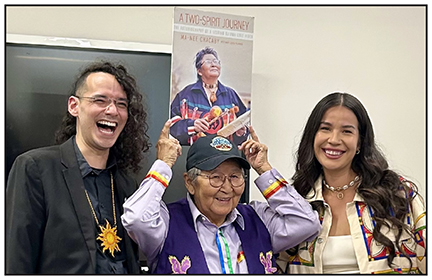
A Two-Spirit Journey was published in 2016. CBC’s competition Canada Reads celebrated the memoir, an unflinching, hard-hitting story of Ojibwe-Cree author Ma-Nee Chacaby’s youth in a small remote northern town in Ontario.
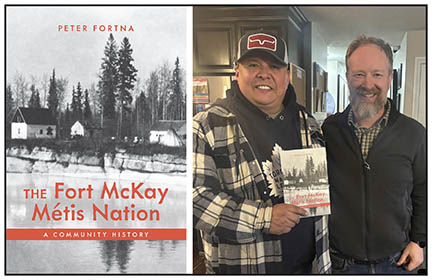
Fort McKay Métis Nation: A Community History
This book draws heavily on studies, documents, government records and media reports to recount the story of the Fort McKay Métis starting well before members took scrip or the Fort McKay First Nation signed Treaty 8 in 1899.
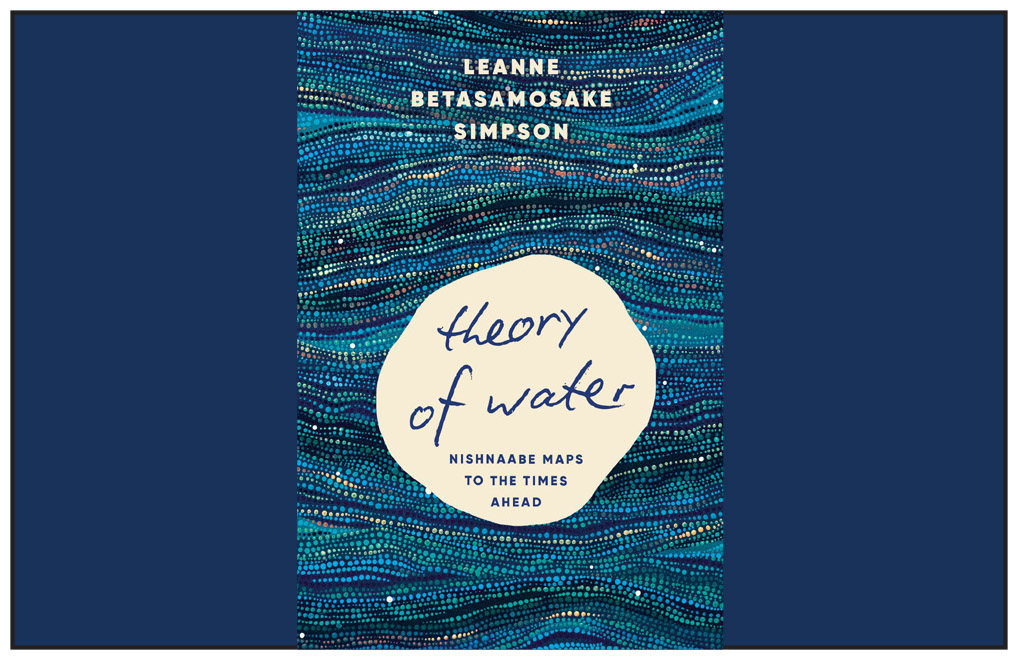
Theory of Water: Nishnaabe Maps to the Times Ahead
Author Leanne Betasamosake Simpson hopes that her book sparks a conversation about how we can live together and put Indigenous practices of taking care of our families, communities, plants, animals, lakes, rivers and oceans to build something that someone like President Donald Trump can't imagine.
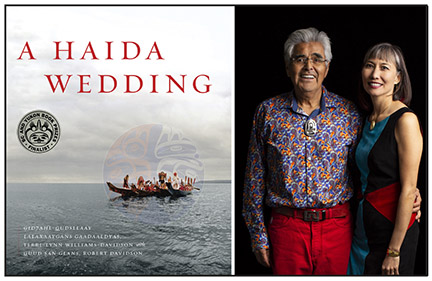
Terri-Lynn Williams-Davidson and her husband Robert Davidson were recognized with the Community History Award from the British Columbia Historical Federation for their book A Haida Wedding. The authors document a long ceremony, with traditions painstakingly researched, that hadn’t been done in more than a century.
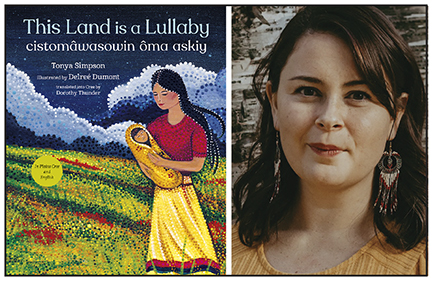
Tonya Simpson’s second children’s book, This Land is a Lullaby, focuses on connection with the land through the lyrical language of a mother coaxing her baby to sleep and the rich illustrations of a stormy summer evening on the prairies.
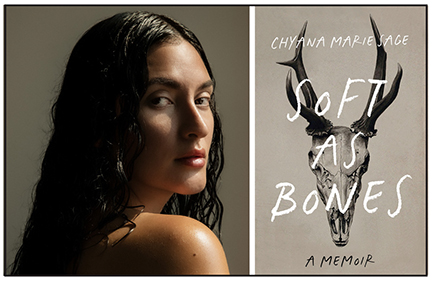
Soft as Bones is a memoir from Chyana Marie Sage who recounts a life of family trauma, the secrets she and her sisters kept and a personal journey of healing and changing circumstance.
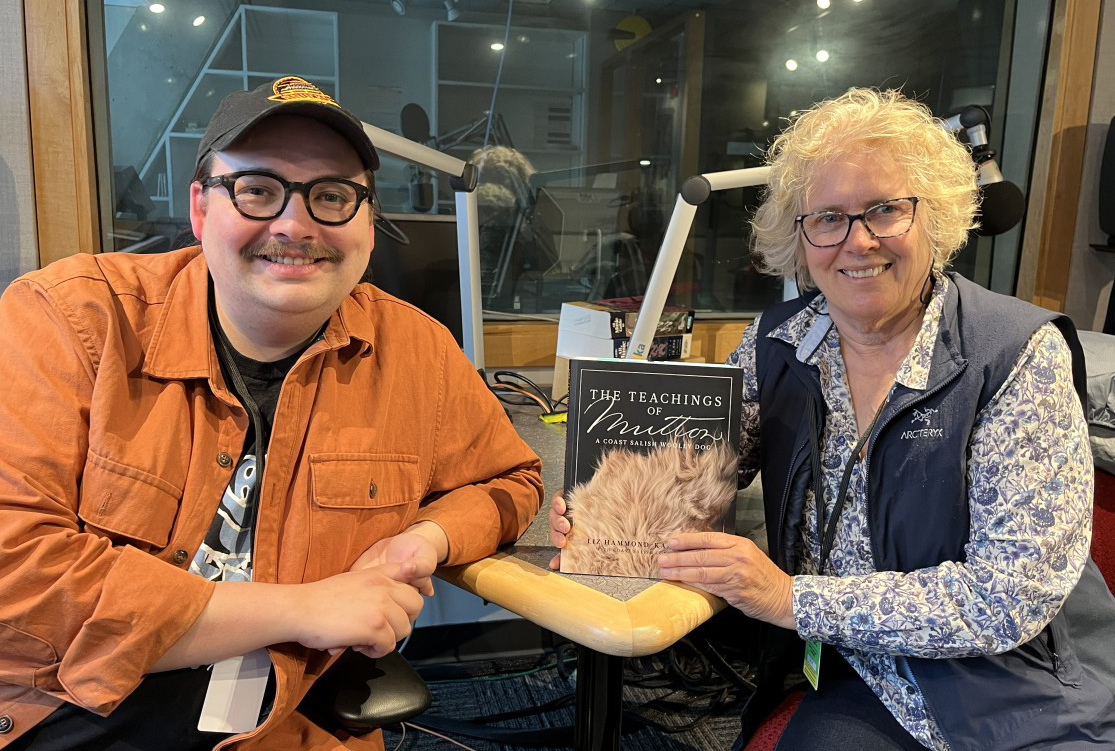
The Teachings of Mutton: A Coast Salish Woolly Dog
Woolly dogs were at the centre of social, cultural and economic systems of the Coast Salish people. The pelt of Mutton, the pet woolly dog of ethnologist George Gibbs, who travelled the Pacific Northwest in the 1840s and 1850s, has provided researchers with much information about the now extinct breed.
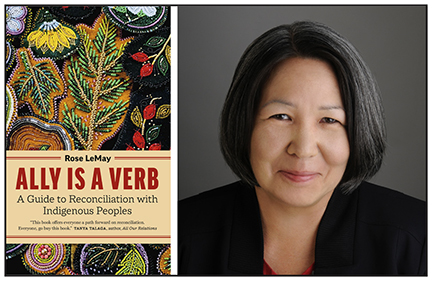
Ally is a Verb: A Guide to Reconciliation with Indigenous Peoples
Rose LeMay is a speaker, trainer and coach on reconciliation. She has put her training work into her debut guidebook Ally is a Verb to help the next-level ally to do even more.
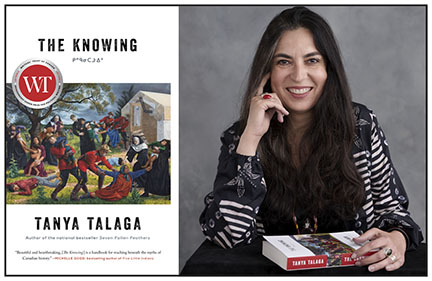
Tanya Talaga didn’t know she would end up rewriting the story of Canada when she undertook a painstaking years-long journey to find where her great-great-grandmother Annie Carpenter was buried. The Knowing is the author’s personal family story of colonization, residential schools, health institutions and violence, but it’s also so much more.
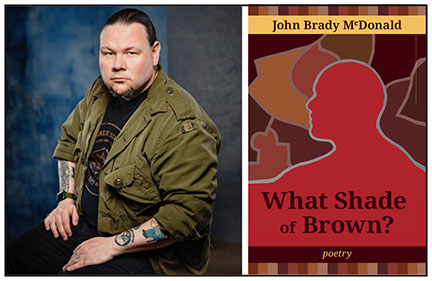
John Brady McDonald’s third collection is powerful and emotional. Through a mix of poetry and narrative prose, the Nehiyawakn (Cree)-Métis writer examines what it means to be a light-skinned Indigenous person.
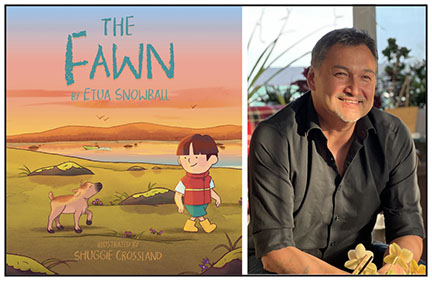
Inuk author Etua Snowball’s third children’s book tells the true and heart-warming story of a summer when Snowball befriended a caribou fawn. One day, the caribou mother came back to claim her baby. Etua’s brothers returned the fawn to her. Letting go is the message behind the story.
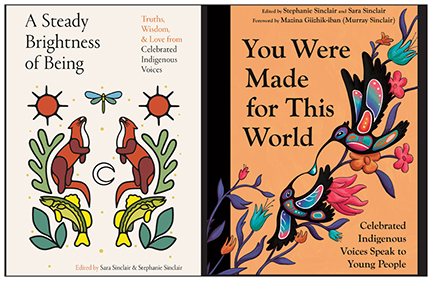
You Were Made for this World and A Steady Brightness of Being
Sisters Stephanie and Sara Sinclair have edited two anthologies, one for youth and the other for adults, about what it means to be Indigenous in today's world. The contributions tackle such topics as conflicts, challenges, joy, shame and survival.
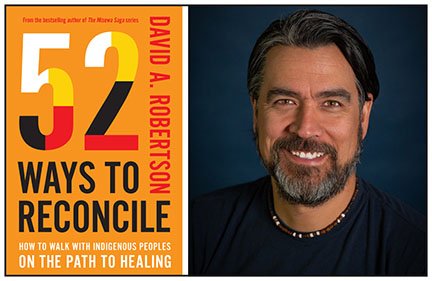
52 Ways to Reconcile: How to Walk with Indigenous Peoples on the Path to Healing
Canadian non-Indigenous readers are becoming more and more committed to reconciliation, says author David A. Robertson. His new book provides one action per week that non-Indigenous people can do over the course of a year to advance healing with Indigenous peoples.
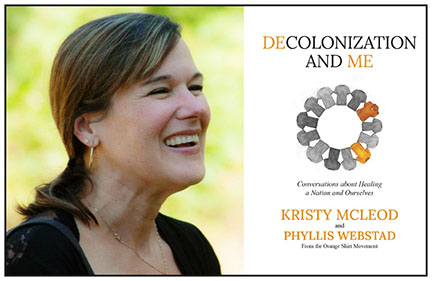
Decolonization and Me: Conversations about Healing a Nation and Ourselves
Despite her fear that someone might attack her for her story, Métis scholar Kristy McLeod said it was important to share her perspective in Decolonization and Me, a book written with Orange Shirt Day founder Phyllis Webstad. The book guides readers to explore decolonization, Indigenization, healing, and the individual responsibility to truth and reconciliation.
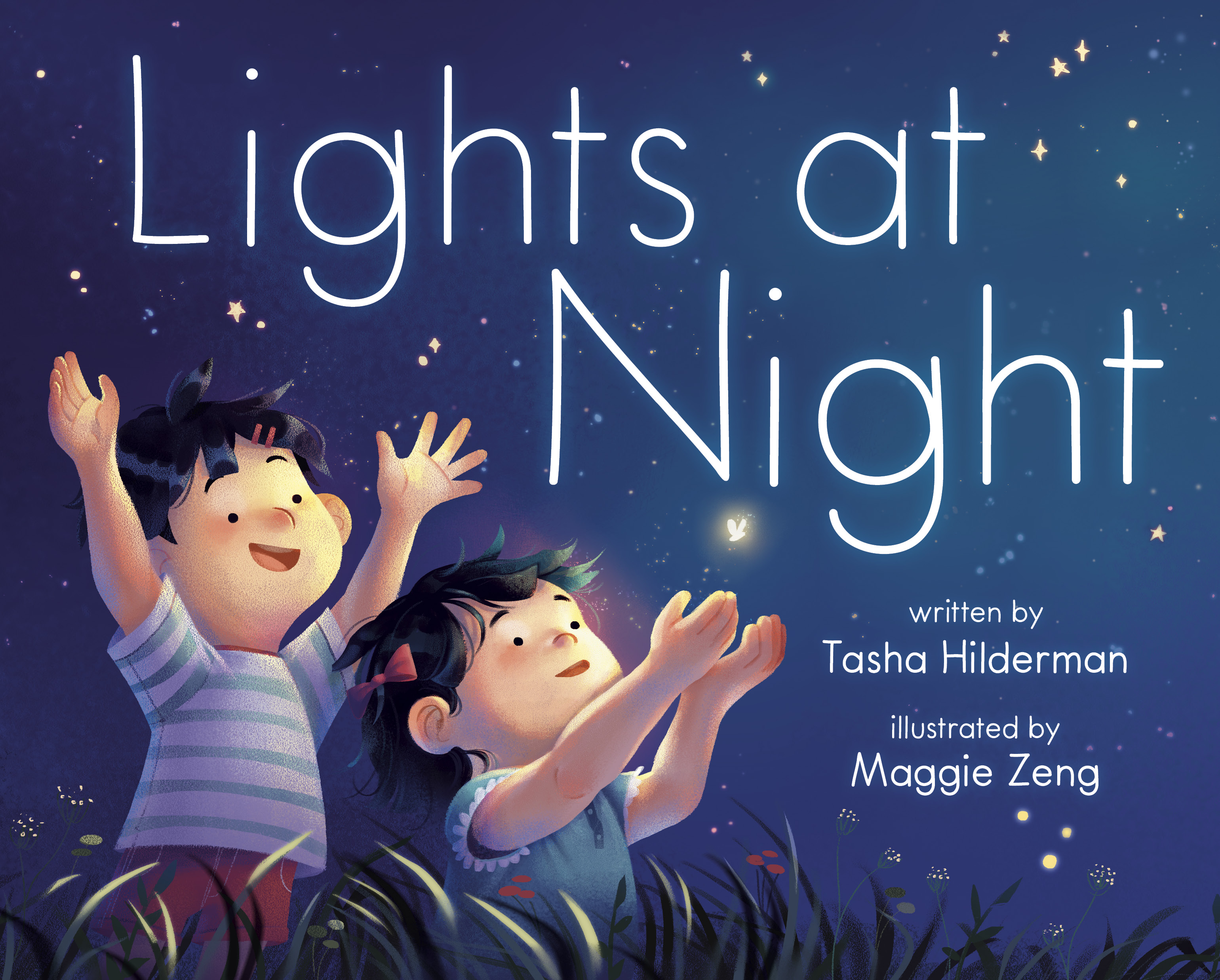
Tasha Hilderman is proudly Métis, whether or not her children’s picture books are about her Métis culture. Lights at Night depicts an East Asian Canadian family taking part in Canadian life. The author says it’s important that Indigenous writers, or any author of colour, be able to tell the stories they want to tell. “Let’s hear these voices in the way they want to be heard.”
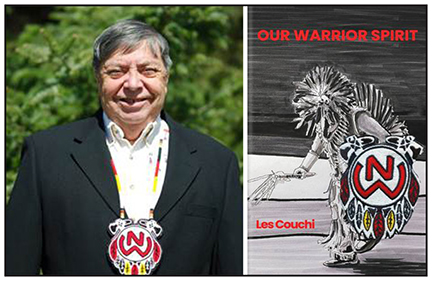
With his portion of the settlement money from the Robinson Huron Treaty annuities litigation, Les Couchi wrote and published Our Warrior Spirit, a tribute to all the Elders of Nipissing First Nation. His wife Mary Lou McKeen and sister-in-law Pearl McKeen helped with research, editing and formatting the book.
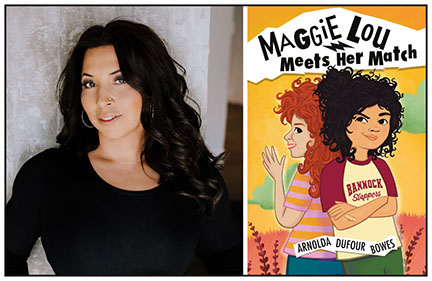
Maggie Lou needs Rosie as the jockey in the Otipîm’sowak relay race, but they are always fighting, just like star sisters Piyak and Niso. That’s because both are strong and want to shine. This is Maggie Lou’s second adventure by Métis author Arnolda Dufour Bowe.

The Feast: Two Spirit Stories, Sex and the Ceremony behind it all and other Poems
Alycia Two Bears has birthed a new collection of poetry with funds awarded through the Kemosa Scholarship for First Nations, Métis and Inuit Mothers Who Write. The Feast: Two Spirit Stories, Sex and the Ceremony consists of poems written over six years.
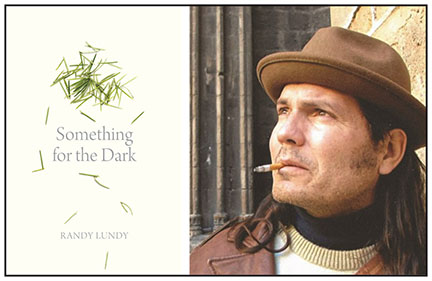
Randy Lundy is giving back “and/or” preparing to descend into “unknown realms.” Something for the Dark is the poet’s final instalment in a trilogy of collections. It features the “spectral presence” of his father and a relationship of conflicted emotions.
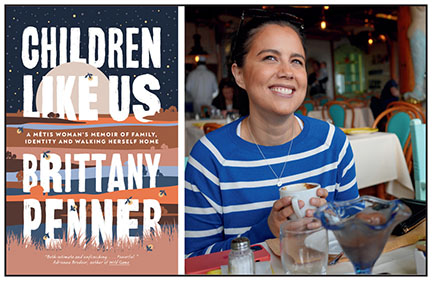
Children Like Us: A Métis Woman's Memoir of Family, Identity and Walking Herself Home
Brittany Penner tells the story of being taken from her Indigenous family as an infant as part of the Sixties Scoop, being adopted by a Mennonite family in Manitoba, and the search for her birth parents in this memoir.
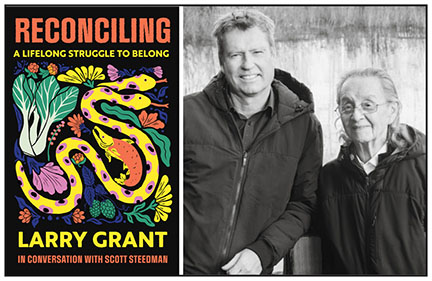
Reconciling: a Lifelong Struggle to Belong
Elder Larry Grant was born to a Musqueam mother and a Chinese immigrant father. In conversation with co-author Scott Steedman, the 88-year-old Elder tells the story about the Chinese migration to Canada, the discrimination the Chinese and their mixed children faced, and the Indigenous peoples who accepted them as family.
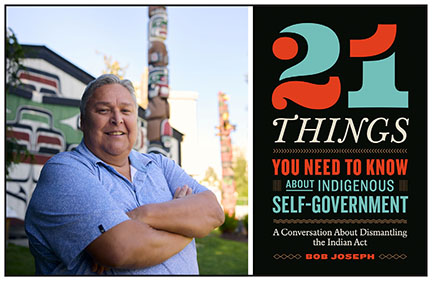
21 Things You Need to Know About Self-Government: A Conversation About Dismantling the Indian Act
Bob Joseph’s book about Indigenous self-government was published at a hinge moment in Canada. The new federal government under Prime Minister Mark Carney was moving to implement the One Canadian Economy Act, with Indigenous Nations questioning how this major piece of legislation would impact their rights and sovereignty. 21 Things starts a conversation.
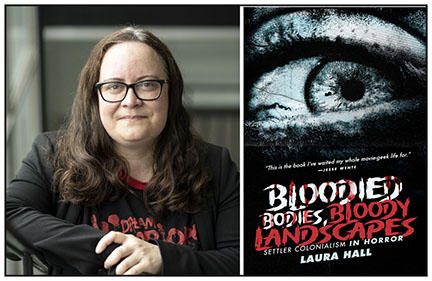
Bloodied Bodies, Bloody Landscapes: Settler Colonialism in Horror
After Laura Hall watched the horror movie The Descent in 2005, she studied the stereotypes and harmful tropes that permeate the horror film genre. In her new book, Hall explores her theory that horror films both fixate on and also erase Indigenous peoples in North America.
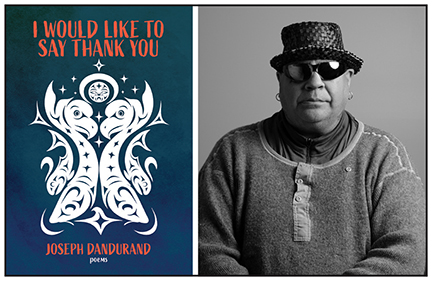
Joseph Dandurand’s latest collection of poetry is a raw look into a life that has been both hard and rewarding. The Kwantlen First Nation poet has included 43 poems that he hopes readers can connect with him on an intimate level.
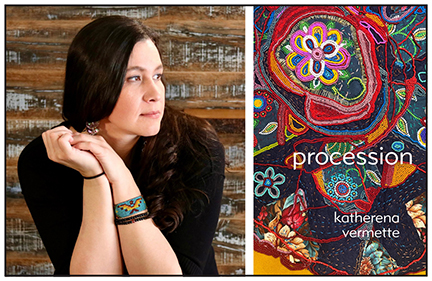
Award-winning Métis writer Katherena Vermette has released a new collection of poetry that honours those who've come before while making a space for those yet to come. It speaks to how we occupy the place in the middle.
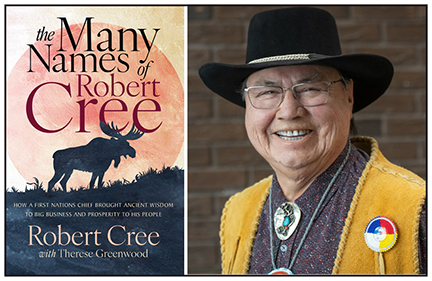
In his memoir, Robert Joseph Cree recounts the day that he became that name. His mother had given him the English name Bobby Mountain at birth. But on the first day of residential school, he became Robert Cree, and on that same day “they started to separate me from myself,” he writes.

There was an idyllic “before” childhood for award-winning singer Susan Aglukark, and then an “after” childhood; after the nine-year-old Inuk girl was lured by a man known to the family and sexually assaulted. Aglukark then lived with compounding trauma, her memoir tells us, until her singing career provided a path to healing.
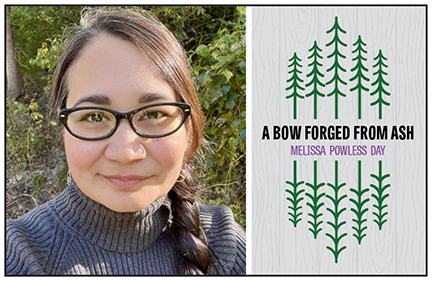
Part of Melissa Powless Day’s journey is her Indigenous language, which she sprinkles throughout her newest poetry collection. It took the Anishinaabe/Kanien’kehá:ka writer about two years to complete, which was based on conversations and experiences she’d been thinking about.
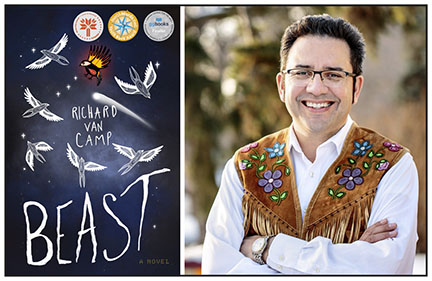
Author Richard Van Camp took glee in describing to Windspeaker how the botfly “mom” sprays her eggs up the nose of a moose or caribou, and how they “warble” their way to the back of the animal before popping through the skin to be born little hairy flies. “Oh my God, the terror of that,” he said of his inspiration for the character Slitter.
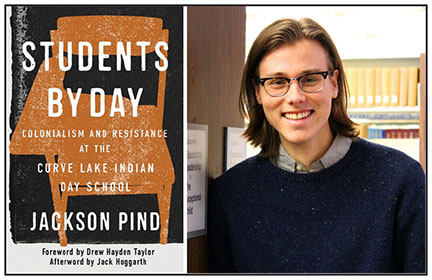
Students by Day: Colonialism and Resistance at the Curve Lake Indian Day School
Author Dr. Jackson Pind uses oral Indigenous history and western archival analysis to chronicle the story of Indian day schools. Almost 1,400 Indian day schools were located on First Nations throughout Canada from the mid-1800s until 2000. Survivors are “hungry” for information, Pind said.
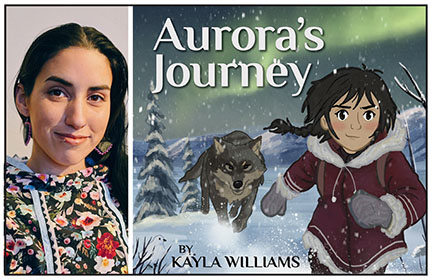
Aurora’s Journey tells the exciting story of a young Inuk girl who sets out in search of her family when they go hunting in Nunatsiavut. Aurora must survive the harsh Arctic conditions by trusting in traditional Inuit knowledge.
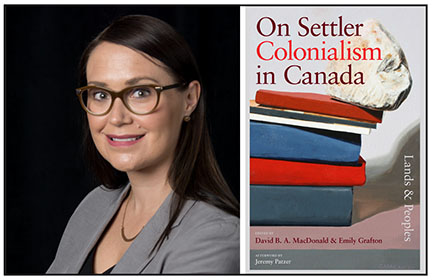
On Settler Colonialism in Canada: Lands and People
Emily Grafton, co-editor of On Settler Colonialism in Canada, says writers of the collection of 20 submissions in the book provide a moment of clarity with the contention that Settler colonialism is not a thing of the past but continues today as the structure of Canada.
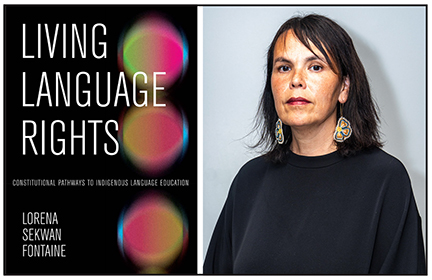
Living Language Rights: Constitutional Pathways to Indigenous Language Education
This book by Lorena Sekwan Fontaine argues that customary laws, Canada’s Constitution, and international laws demand that Indigenous languages claim a prominent space in this country and that Indigenous peoples have rights to language education.
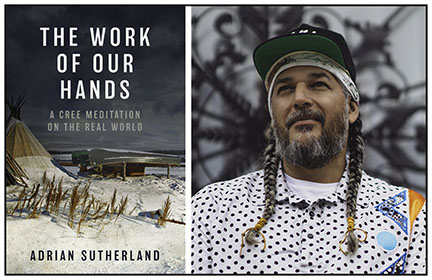
Musician turned author reaches deep into his experiences on the land for new book
The Work of Our Hands: A Cree Meditation on the Real World is the first time Juno-nominated Cree singer Adrian Sutherland has put pen to paper to write a book. And despite the different styles of writing, Sutherland weaves the lyricism of his songs into prose.